Dress Shirt Darts: Best Fix for a Baggy Lower Back
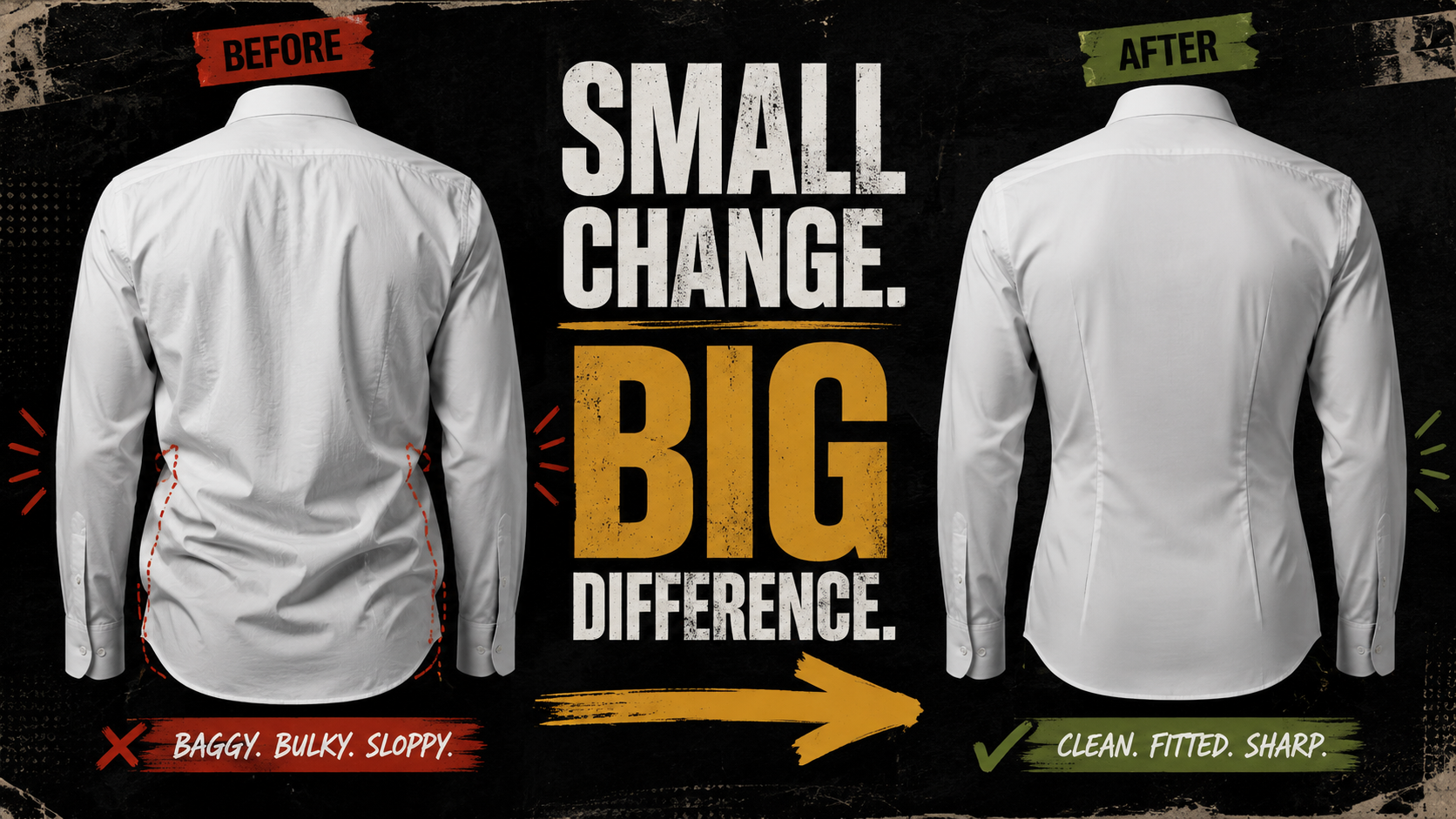
Stop me if you’ve heard this one before. You buy a dress shirt, the shoulders fit fine, the chest looks good and normal. You tuck it in, turn around, and there it is. A big ole muffin top hanging over your pants.
Awesome. Another shirt that looks like a poncho.
If you're tired of that, dress shirt darts might be exactly what you need. They're a small alteration that can make a massive difference, especially when your shirt fits pretty well everywhere else.
Oh, and if you’ve never used a sewing machine before don’t worry, I made a super easy tutorial that focuses on the few settings you need to learn.
What Are Dress Shirt Darts?
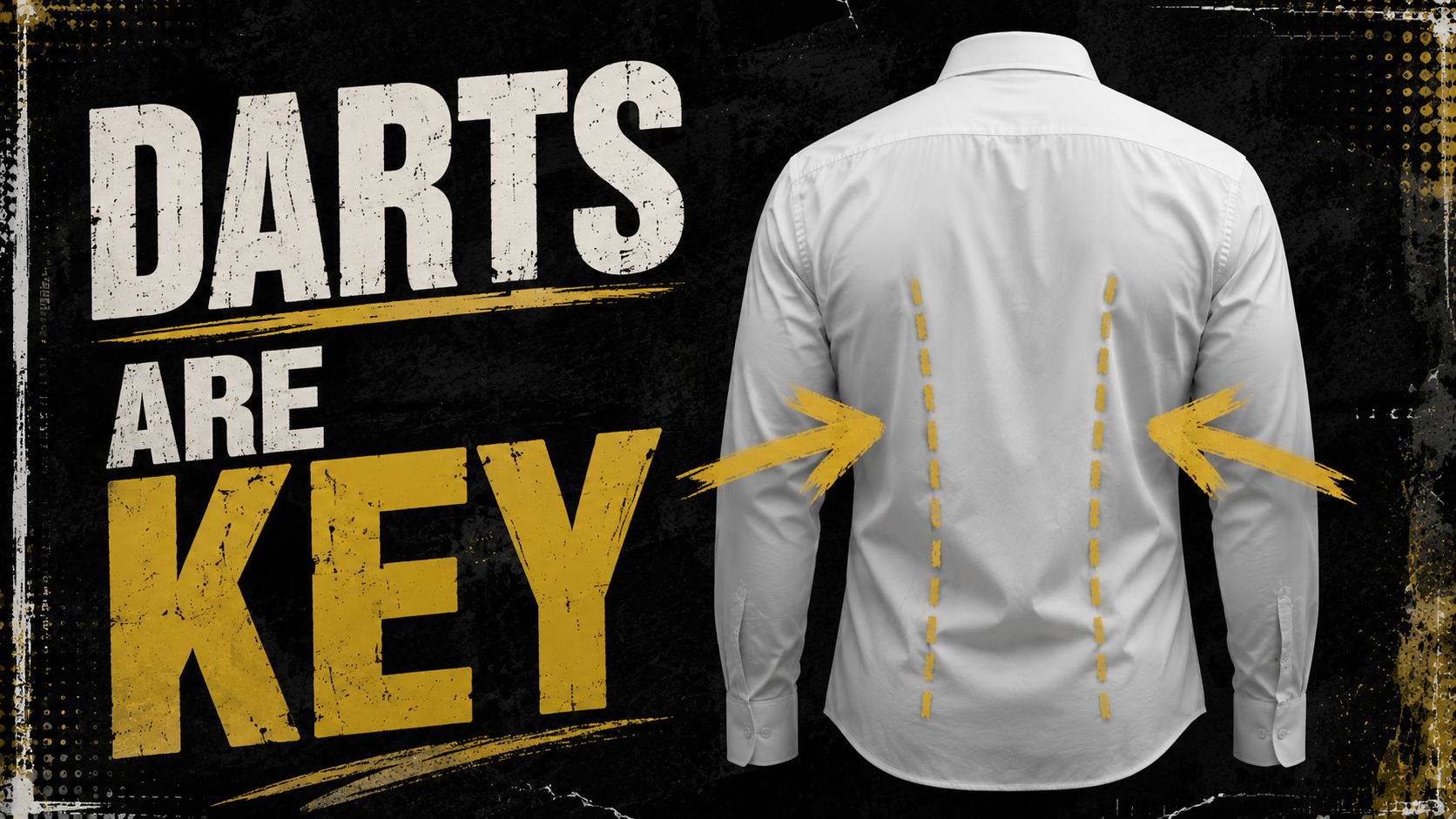
A shirt dart is just a controlled fold of fabric that you sew into the back of a dress shirt. It takes in the baggy fabric in your lower back so the shirt follows your body more closely.
On men's dress shirts, you'll usually see back darts as two vertical stitched folds, one on either side of the spine.
Their length and placement can vary a little bit, but they're usually widest at the bottom around the waist and then they taper toward their ends up at the top. That taper helps everything blend together.
Why Taking In the Sides Doesn't Always Fix The Problem
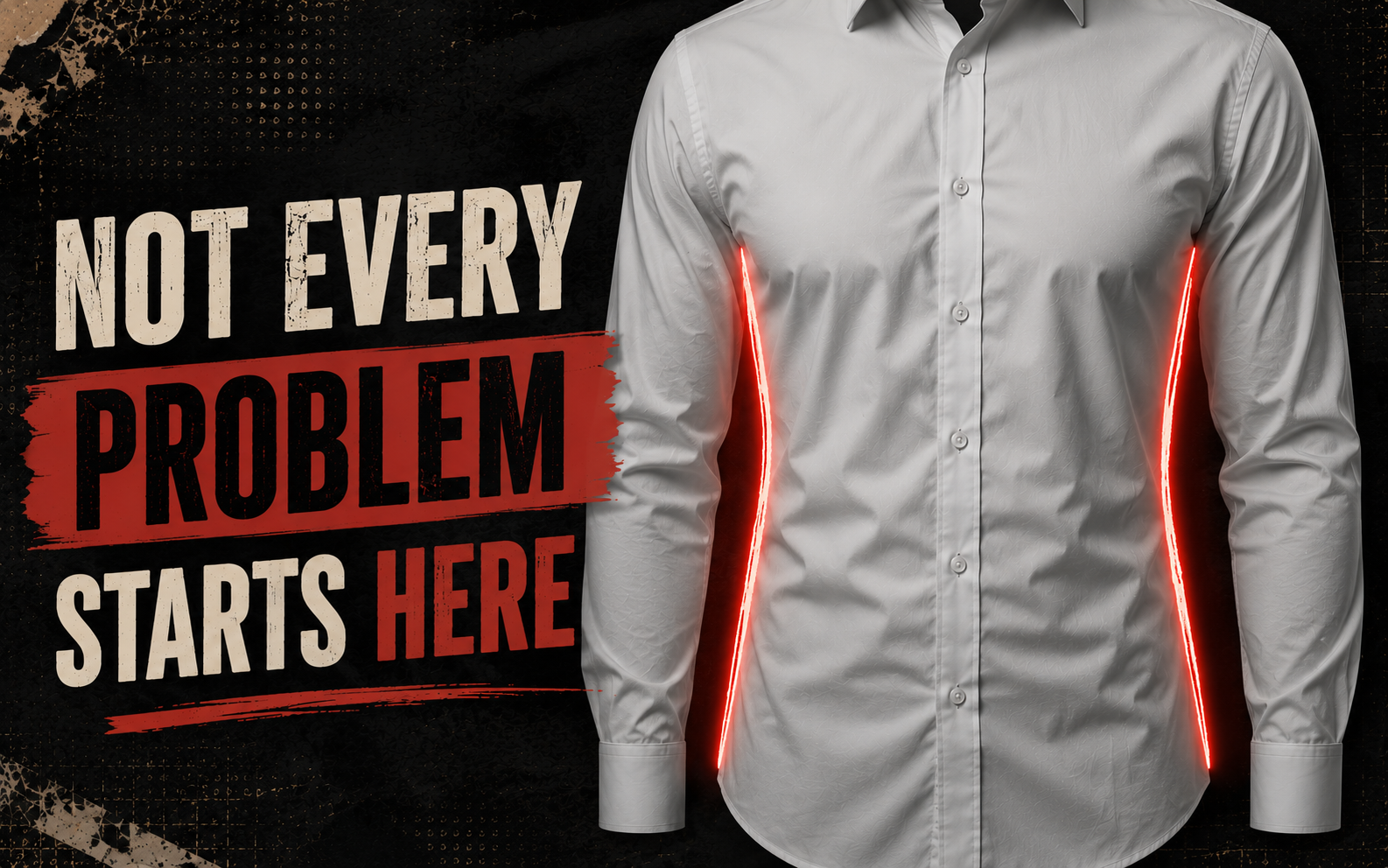
Here's where a lot of guys might get stuck: they come across my tutorial on how to tailor a dress shirt, and they assume all their crappy dress shirt problems can be fixed by taking in the side seams. That will make a massive difference sure, but the problem is the chest. The chest on your shirt might already fit perfectly fine. The body needs a ton of work though. In order to get the body slim enough, something has to give. And it ends up being the chest. What once fit fine now has the buttons pulling at themselves. No bueno.
Taking in the side seams narrows the shirt along its sides. Darts finish the job by attacking the bagginess in the lower back.
Both give great results, but they do it in different places. Your chest, waist, stomach, and back all have different curves. A shirt can fit across your chest and still leave an empty void behind your waist.
If the bagginess is mostly in your lower back, then focus there. You don't wanna make other areas that already fit smaller just to fix another area. That’s backwards.
You Want Fitted. You Obviously Still Need to Move.
A fitted shirt is fantastic. I mean a TRULY fitted shirt, not a “tight” shirt. You can move bend stretch and shake without feeling like you're gonna split something.
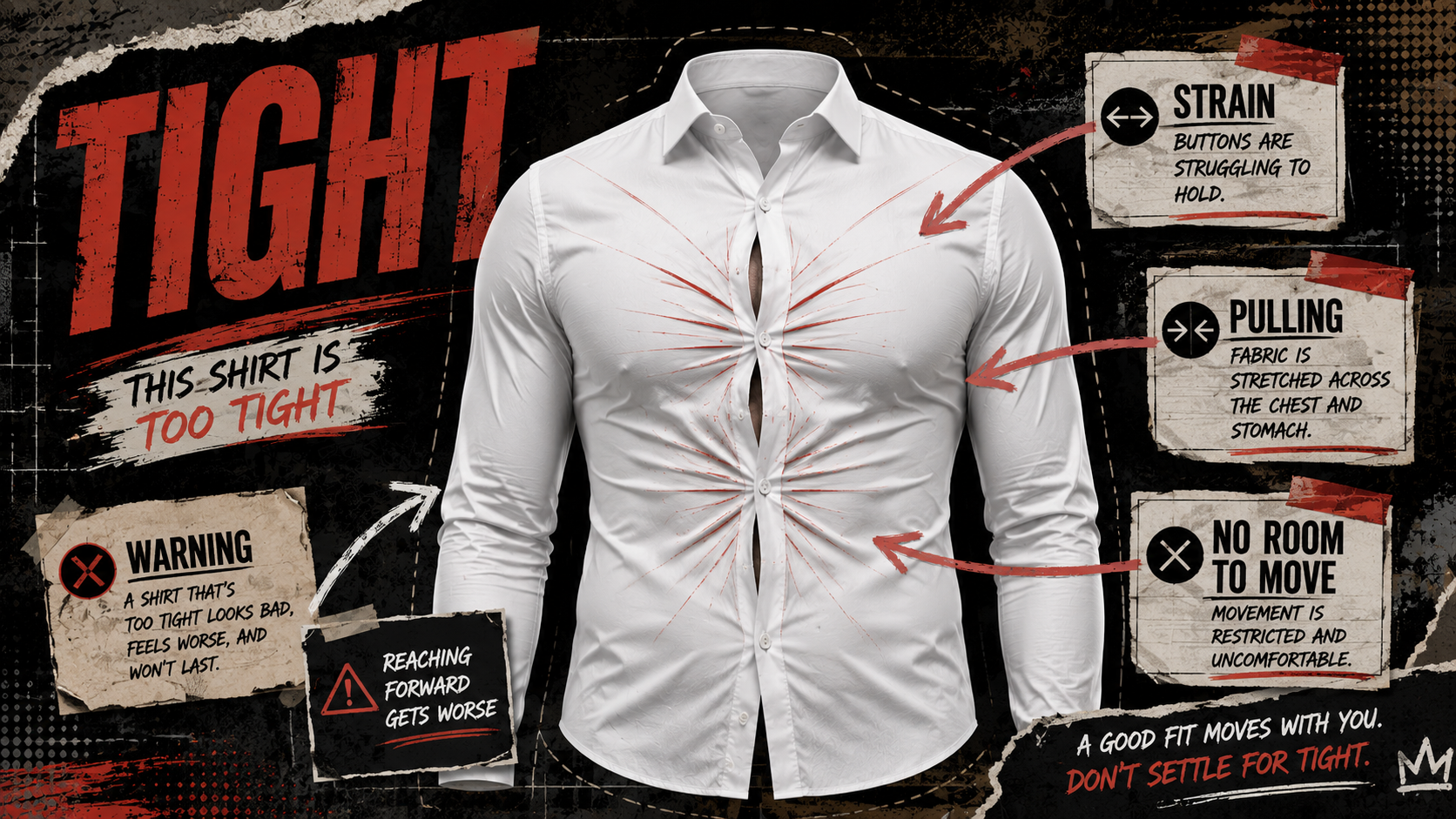
A shirt that's too tight looks super ridiculous. You want to get rid of the extra fabric while keeping enough space to do normal human being things.
Now I have to warn you about something. It catches guys off guard all the time. The first time you try on a shirt with darts, it’s going to feel super weird. You're used to dress shirts that barely acknowledge your lower back even exists.
But here’s the thing, don't assume it’s too tight. This is just the first time you’ve ever had a dress shirt touch your lower back AND your chest and stomach at the same time.
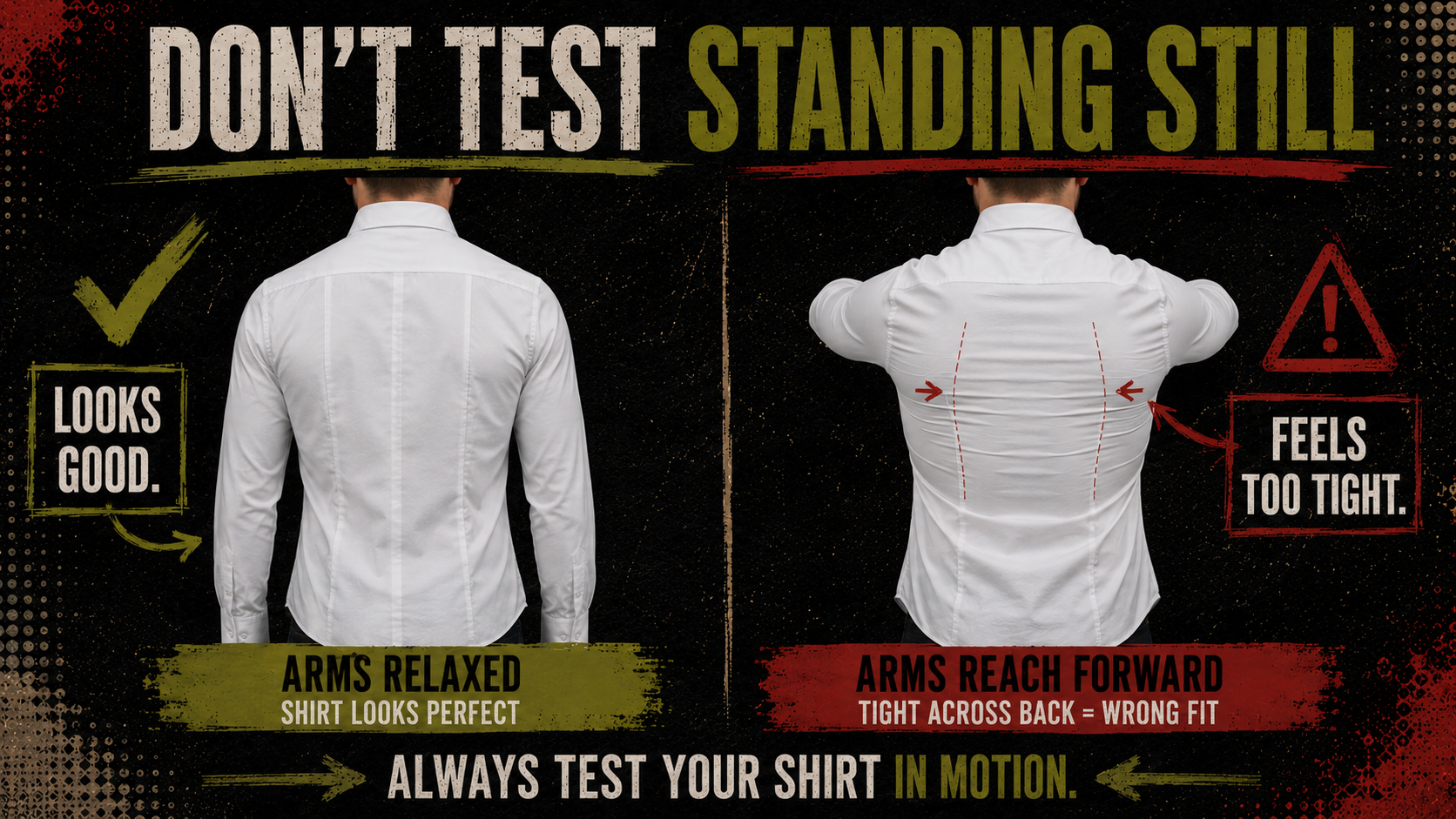
But that being said, do the Flex Test. Sit down. Reach forward like you're grabbing your steering wheel. If the buttons start pulling or the shirt just feels kind of uncomfortable, then adjust accordingly.
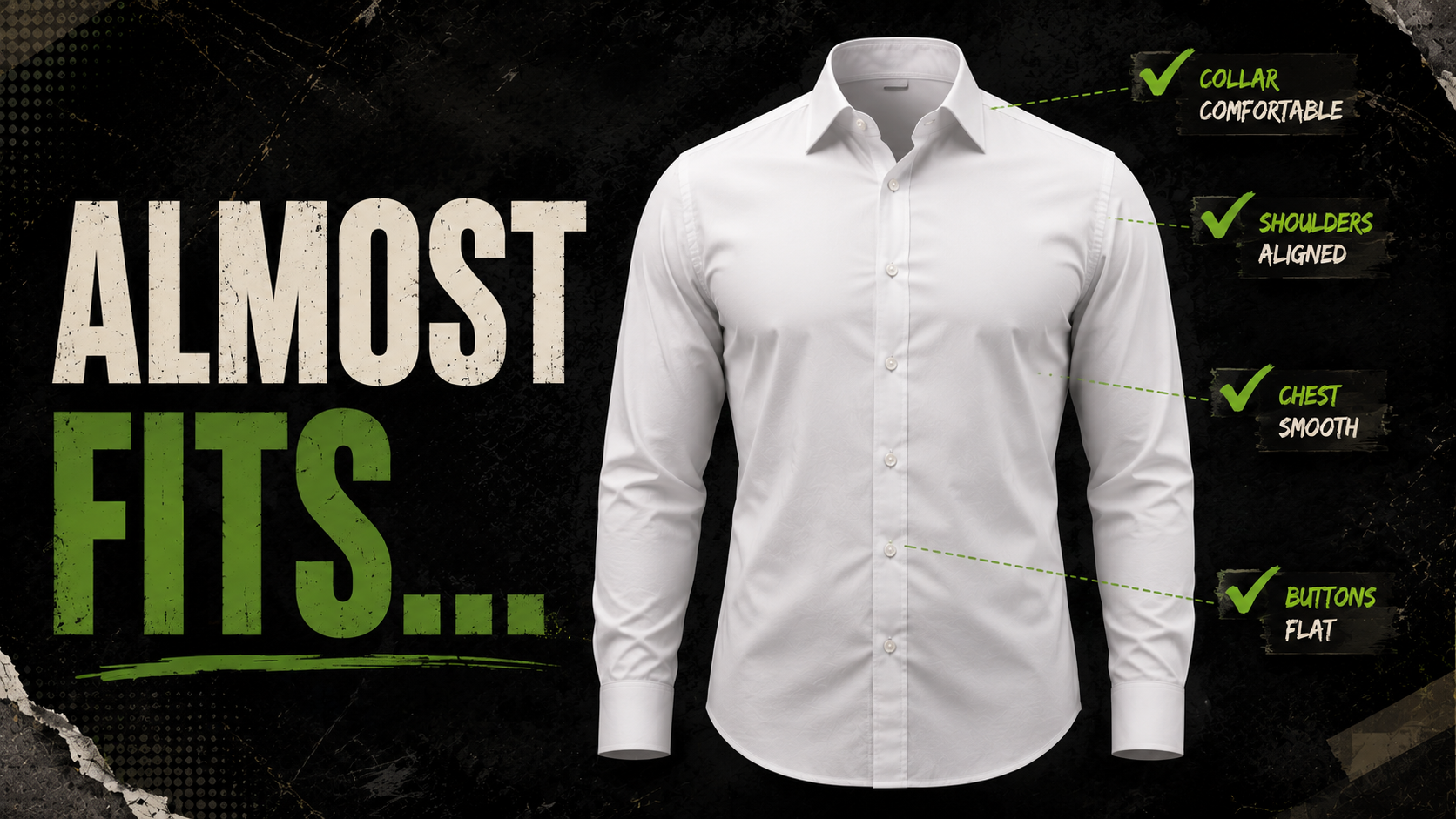
Start With the Collar, Shoulders, and Chest
Before you tailor a dress shirt, you wanna make sure you get these areas right first. I made an in-depth tutorial on how to tell if a dress shirt is even worth tailoring in the first place.
Don’t skip it, otherwise you might end up wasting your time tailoring your shirt.
You can make a crappy fitting dress shirt smaller obviously, but making a tight shirt bigger aint happening.
Don't buy something that barely buttons and expect any kind of tailoring to rescue it.
Button the collar if you're gonna wear it with a tie with that shirt. It should feel comfortable without squeezing your neck like crazy. Also check that the shoulder seam sits pretty close to the edge of your shoulder instead of hanging way far down your arm. It doesn’t have to be EXACT by any means, but you don’t want it 4 inches down your arm either.
Then look at that chest. The button placket (which is the flap of fabric with the buttons on it) should lie flat without any gaps or obvious pulling.
Slimming the body is super easy. Collar and shoulder alterations not so much. Hell I won’t even touch them if I don’t have to. Starting with those areas already fitting pretty solid makes altering your dress shirt worth it.
You wanna practice tailoring, not accidentally sign yourself up to rebuild half a damn shirt.
Should You Add Darts, Take In the Sides, or Do Both?
If your shirt fits pretty good through the chest and shoulders, and most of the nonsense is in your lower back, darts alone might do the job. If it's too big along the sides giving you muffin top, then I would do both. Personally I like doing both regardless because it gives all of my dress shirts the exact fit that I’m looking for. But that’s just me. You can just take in the sides and be really happy afterwards.
I like using both but you've definitely gotta plan for them together. You take in the sides, try it on, and think, “Perfect. Now I'll finish it off with some darts.”
You add them, put it back on, and suddenly you can barely move. Sweet. Nailed it. Sort of.
Darts also take away room. So if you're gonna do both then leave a little extra when you take in those sides.
Then test how much the darts will need to remove.
Wash the Shirt Before You Tailor It
Wash and dry the shirt according to its care label before tailoring it. Thats the corporate disclaimer. The real one is that I used to work retail and let me tell you, I’ve seen some things. The places your clothes have been would blow your mind. They are not kept in clean environments in the back. Plus they’re tried on multiple times, left on the floor, mixed in with clothes that were returned. Gross.
All that being said, your shirt is obviously gonna shrink a little bit when you wash it. You don't wanna spend an afternoon getting the fit right, then realize its even smaller than you wanted.
Give that bad boy an iron first too. Press out those wrinkles before marking anything. Bunched-up fabric will just make it harder to judge how the shirt actually hangs or draw a smooth line.
Wear your usual undershirt if you normally wear one. That layer takes up space too, and you're tailoring this for how you actually dress.
Check the Fit Tucked In and Untucked
Try the shirt the exact way you're gonna wear it, including with your usual pants. A shirt can look fine hanging loose and untucked but look way different once you tuck it in. If you wear it both ways, check both before deciding how much you want to tailor it.
Also, don't judge the fit only while you're standing perfectly still with your stomach sucked in. Nobody spends their entire workday posing in the bathroom mirror.
Relax your stomach, sit down, and reach across your body. A little fabric movement and some wrinkles are normal. You're making a wearable shirt, not trying to stretch fabric over yourself until every crease disappears.
Everything Doubles
Make sure you understand the difference between a fold's depth and the fabric it takes up. A dart folded half an inch deep at its widest point takes up one inch of fabric there. Add a matching dart on the other side, and you've removed two inches across that area. Small-looking folds can change the fit way more than you expect.
For back darts, you also don't need to cut the folded fabric away at all. Leaving it intact means you can adjust it later if you really want to. So that means no, they don’t have to be permanent.
Don't Forget About the Sleeves
A slimmer fitting dress shirt looks and feels much better right? Well huge sleeves can still make it look stupid.
Check whether the sleeves are part of the problem, especially around the upper arm. Lower arm holes can completely throw off the look of a nice tailored dress shirts. I like higher arm holes, and they’re pretty easy to do. I made a tutorial on how to make them and get rid of what I call Dress Shirt Batwings. Definitely check it out before you tailor your dress shirts.
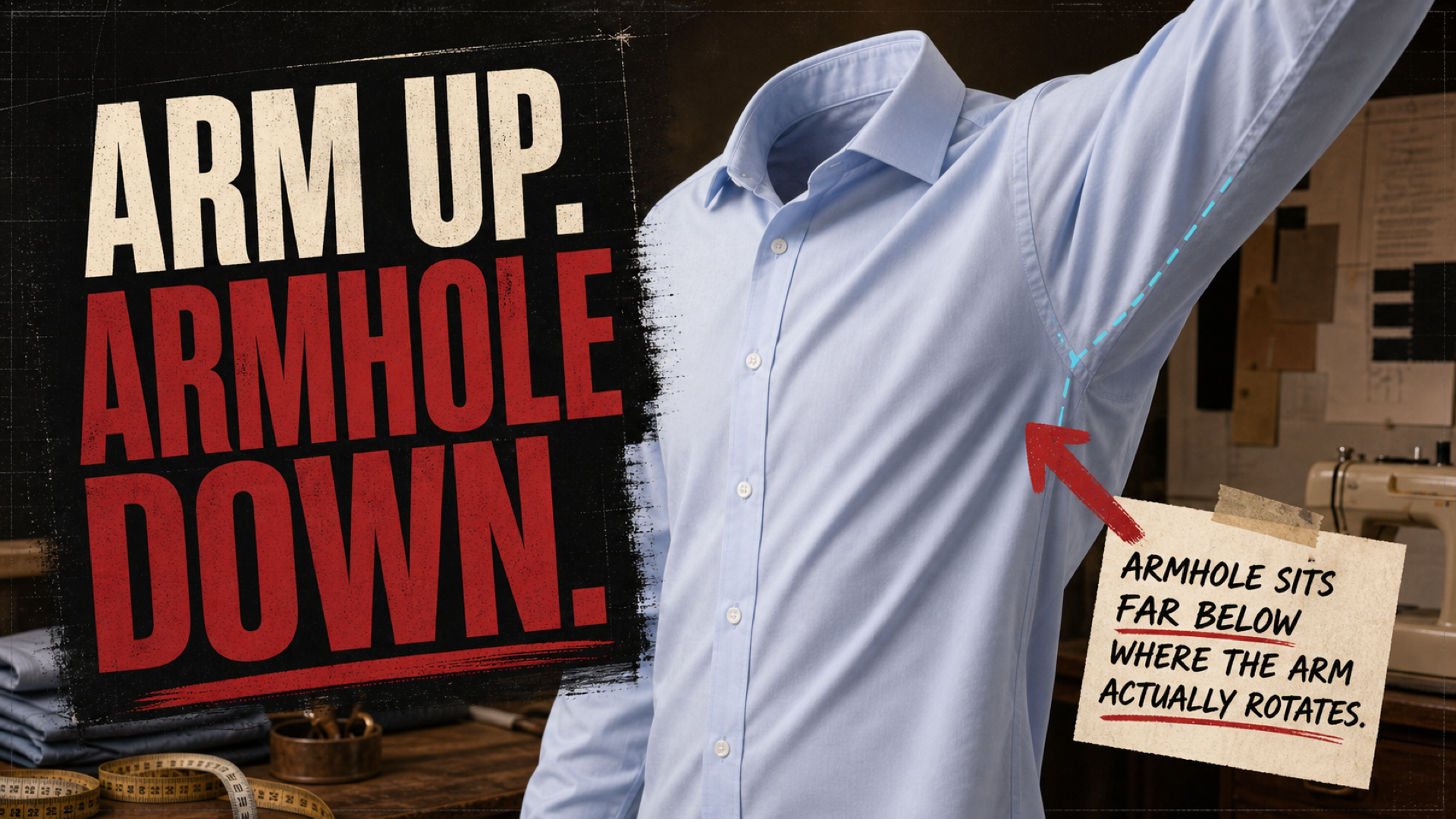
Do the Flex Test and wave your arm in the air like you just don’t care. You wanna have enough space through the elbow, biceps, and armhole to move around normally. Adjust accordingly if needed.
If you do tailor the sleeves of your dress shirt just measure those and test the fit like you do the side seams. Tread carefully though, it’s super easy to make them way too tight. Ask me how I know.
Sleeve length is a separate job but it’s also pretty easy to do. Shortening a dress shirt sleeve just means removing the cuff and reattaching it a little bit higher. Seriously, it sounds worse than it really is.
Ready to Fix That Fabric Muffin Top?
Start with a shirt that fits well your collar, shoulders, and chest. Figure out where all the extra fabric actually is, then attack the problem accordingly. Sometimes that's darts. Sometimes it's the side seams. Sometimes you need both. Either way, once you’re done that $30 Target dress shirt will fit you better than other people wearing $300 dress shirts.
Wanna see it happen? Follow along with my dress shirt tailoring tutorial, where we'll take in the sides and add darts. Test the fit as you go, leave yourself room to move, and keep the scissors away until you're happy. Let's get that shirt fitting like it’s custom made.