Tailoring Isn’t Just for Suits: Why Guys Should Learn to Tailor Their Everyday Clothes
I’m SD and I’ve been teaching guys how to tailor their own clothes on YouTube for over 10 years now. And there’s a certain guy that I come across pretty regularly. Stop me if this sounds like you.
Somebody says the word tailor, and your brain probably immediately goes to suits, weddings, dress pants, super fancy formal wear right?
And honestly, that makes sense. Formal clothes are probably the first thing most guys associate with tailoring.
But here’s what I doesn't really make sense to me. What about the clothes you wear the other 99% of your life?
Your T-shirts. Your jeans. Your polos. Your chinos. Your hoodies. Your joggers.
All that stuff can (and usually does) fit like crap too.
And if you decide to dive into this and give it a shot (which you absolutely should), those everyday pieces are some of the best places to start.
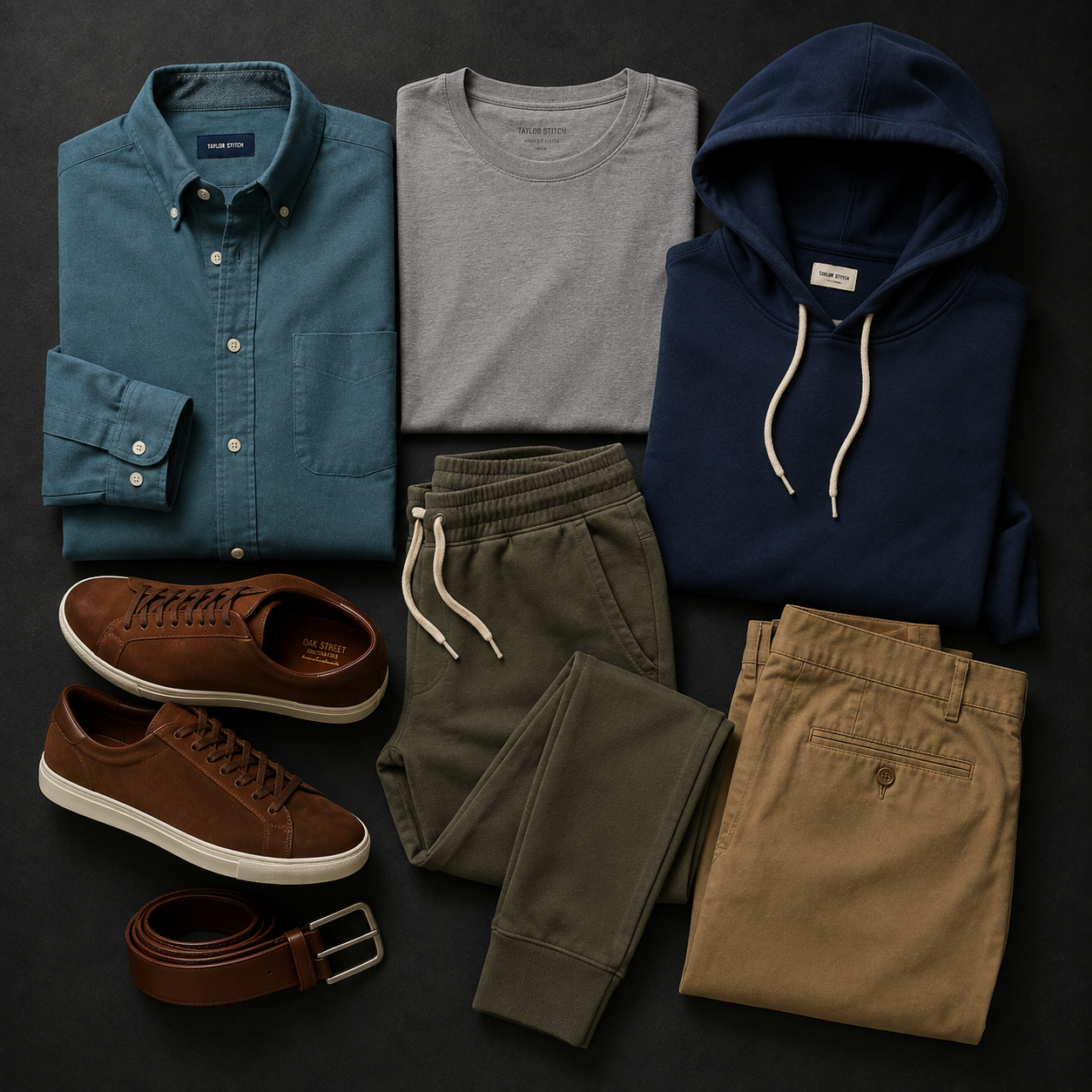
Tailoring Doesn’t Mean Dressing Formal
One of the biggest misconceptions guys have about tailoring is that its only relevant for weddings and fancy dinners.
You hear “tailored clothes” and immediately picture a three-piece suit.
Meanwhile, you’re standing there wearing jeans, sneakers, and a T-shirt thinking:
“Yeah nah… none of this applies to me.”
Except you probably hate the way that T-shirt fits too, don’t you?
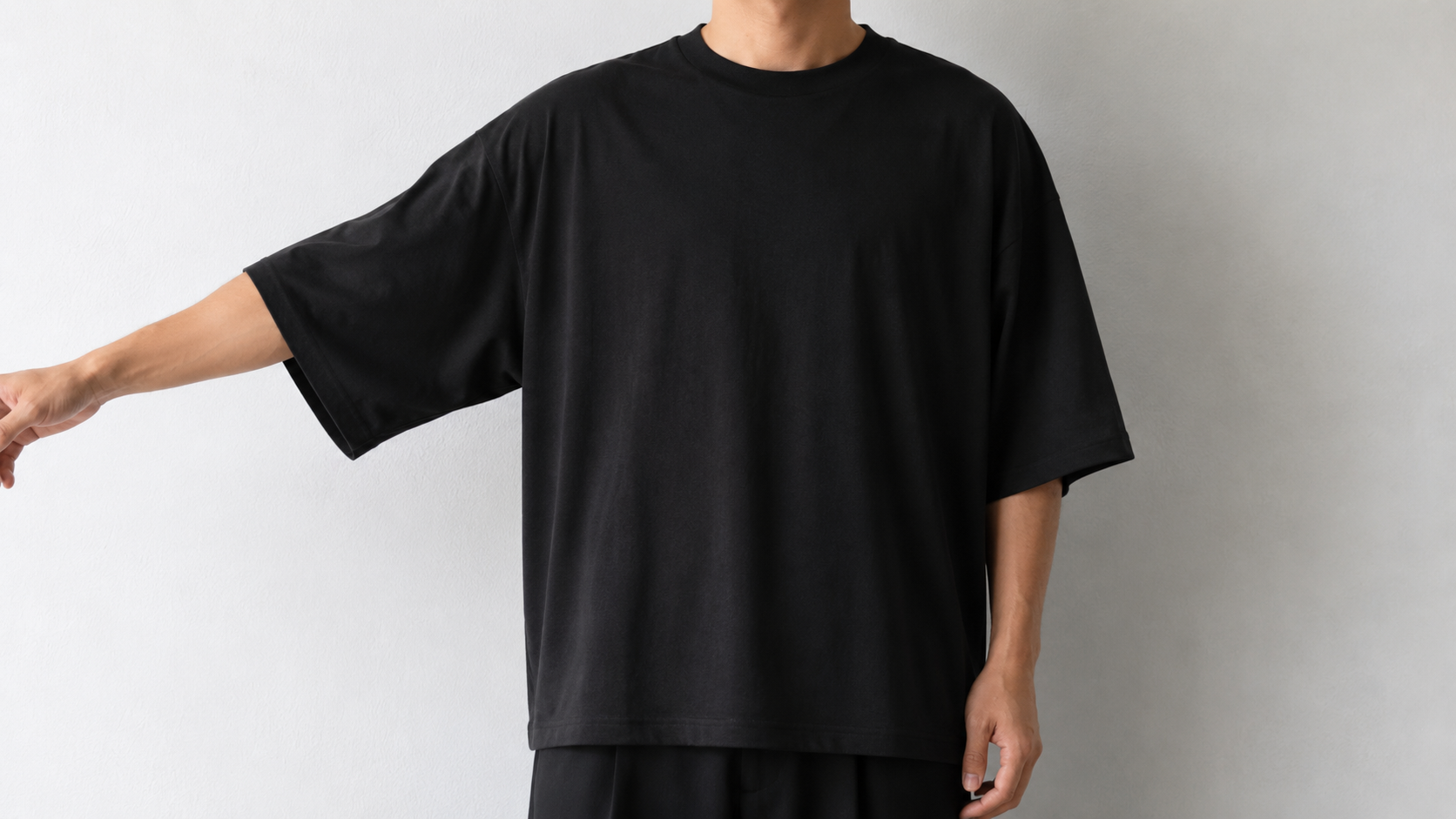
And you probably wear it way more often than you wear a suit. And little do you know, you can learn how to tailor that t-shirt in a day and then make all of them fit you perfectly. I’m not kidding, a day.
So if it makes sense to tailor something you wear three times a year, why wouldn’t it make sense to tailor something you wear three times a week or more?
Your casual everyday clothes deserve to fit well too.
Casual Clothes Have Fit Problems Too
The problem is we’ve gotten so used to seeing poorly fitting casual clothes that we don’t even notice them anymore at all.
A polo can easily be three inches too wide through the waist.
A T-shirt sleeve can be so wide that you can fit both your arms into one sleeve.
Jeans can get all stacked up at the top of your shoes.
Chinos can look like two fabric tubes hanging off your legs.
Those are all fit problems just like formal clothes have fit problems.
They’re just casual fit problems.
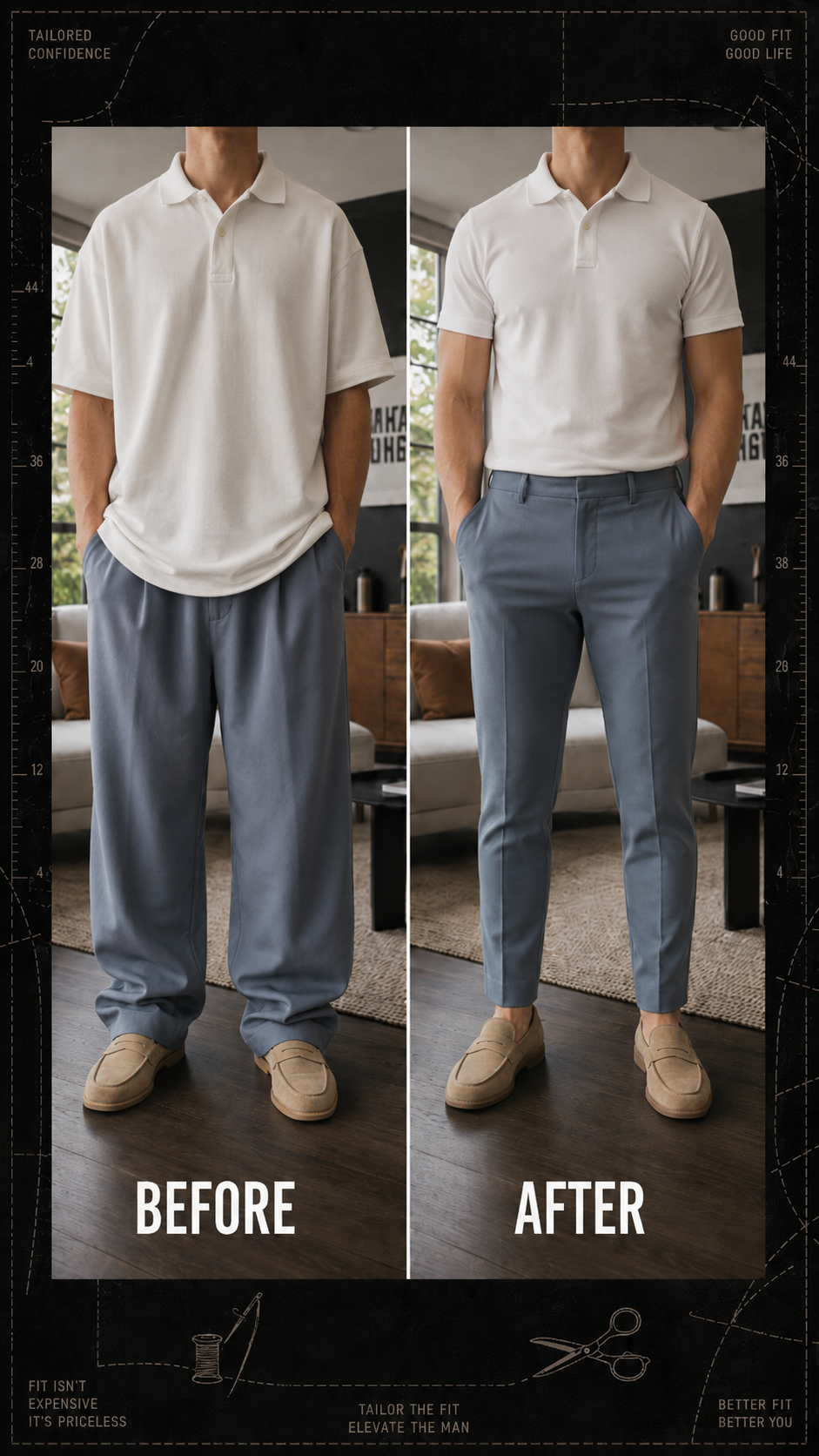
And because there’s no wedding photographer standing nearby or you’re not there trying to impress anyone, most guys don’t think anything needs fixing.
But once you start learning what good fit actually looks like, you start seeing this stuff everywhere. And I’ll apologize in advance, because you won’t be able to unsee it now. The grocery store, the mall, the office, everywhere.
Look at Your T-Shirt
Let’s use probably the most ordinary and basic piece of clothing you own.
A T-shirt.
Let’s say the shoulders fit great. The chest fits perfectly. The sleeves aren’t bad.
But then you get down toward the middle and suddenly there’s enough extra fabric down there to make another shirt.
Now your entire body just disappears into nothingness.
You could be built like Michael B. Jordan underneath there, but nobody knows because somebody basically threw a king sized bedsheet over you.
That’s not necessarily a bad T-shirt.
It’s a fit problem.
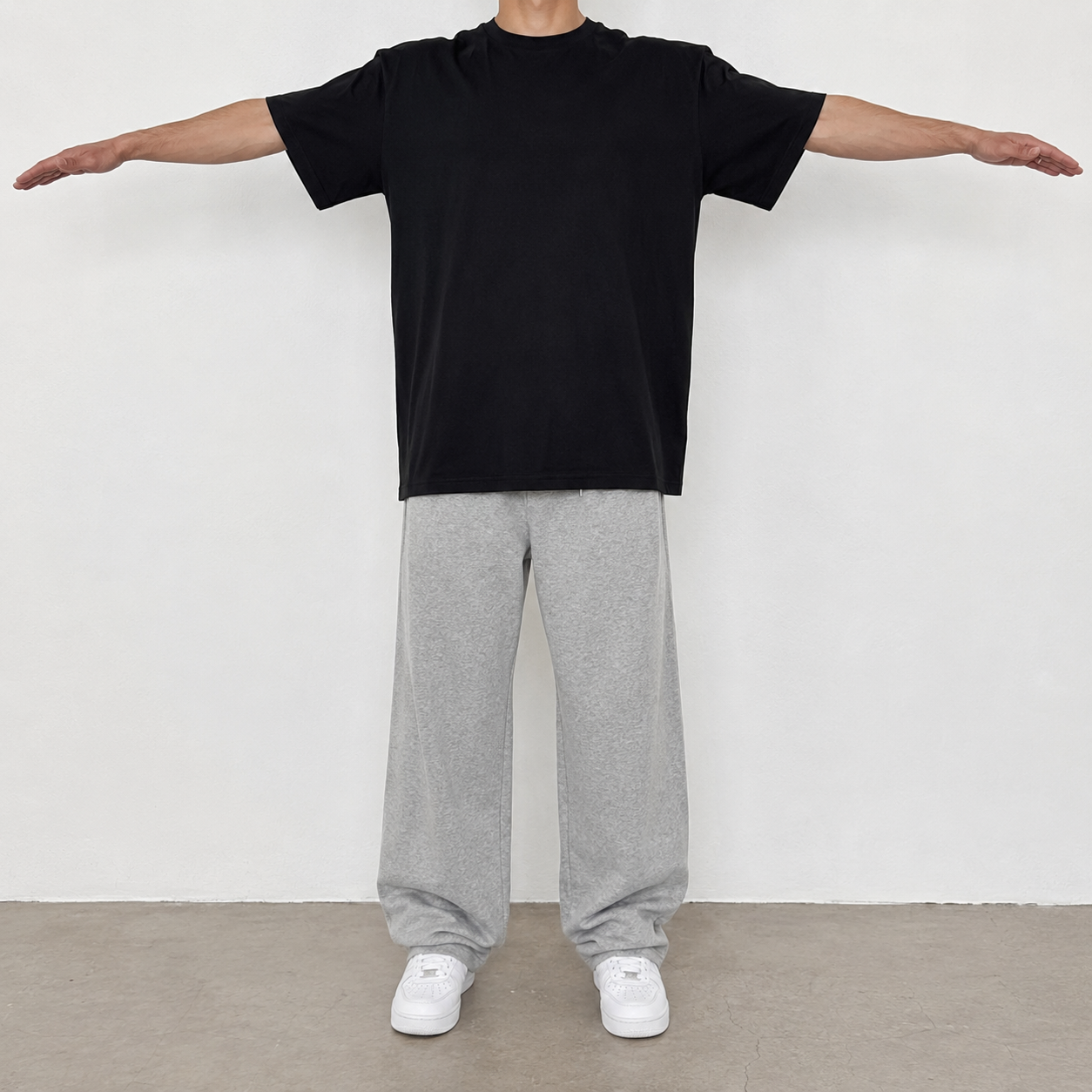
And that distinction matters. Because if the shoulders and chest already fit, you don’t need to completely rebuild the shirt.
You just need to fix the part that doesn’t.
Maybe you just slim the sides a little bit.
That’s it.
That one alteration can and will completely change how the shirt looks on you.
And that’s one of the most important things to understand when you’re learning how to tailor clothes.
You’re not remaking the whole garment from scratch. You’re fixing specific problems. And if you’re apprehensive about using a sewing machine, I made an entire easy to follow tutorial on the settings you ACTUALLY need to know (which aren’t many).
Clothes Are Made to Fit Everybody… Sort Of
Here’s the problem.
Clothing manufacturers aren’t stupid. They know we all come in different shapes and sizes. But that’s not on their mind when designing mass produced clothes.
They’re trying to make something that can fit as many different people as possible without getting returned.
A company would much rather make a dress shirt that fits 100,000 guys sort of okay rather than something that fits 10,000 guys absolutely perfectly while everybody else sends it back or doesn’t buy it at all.
So you end up with compromises.
Maybe the shoulders fit but the waist is huge.
Maybe the waist fits but the legs are too wide.
Maybe the chest fits but the sleeves are stupidly long (which is an easier fix than you would think BTW).
Basically, manufacturers said:
“Let’s make it look kinda decent on everybody.”
And somehow that worked.
For them.
But definitely not for us.
That’s where learning basic tailoring becomes so insanely useful.
Instead of searching through 47 different t-shirt brands and fits hoping one magically matches your exact proportions, you can buy something that fits the important areas and adjust the rest yourself.

Tailored Does NOT Mean Tight
This is probably the other biggest misconception.
Guys hear the word tailored and think:
Tight.
Skinny.
Can’t breathe.
Can’t sit down.
If you eat half a cheeseburger and three buttons launch across the restaurant.
That’s not what we’re doing here at all.
Tailoring doesn’t mean making your clothes as tight as physically possible. It means making them fit.
There’s a huge difference. Your clothes should obviously still be comfortable.
You should be able to sit down normally.
Raise your arms.
Bend over.
Walk.
Breathe.
Exist as a normal human being doing normal human being stuff.
You’re just getting rid of extra fabric that the manufacturers added to make it fit as many people as possible. That’s it. Nothing is being made from scratch at all.
That might mean taking two inches out of the waist of a shirt.
It might mean slightly narrowing a sleeve.
It might mean tapering a pair of pants from the knee down.
These are small, targeted easy to do changes. And small changes can make a massive difference.
Your Everyday Pants Can Look Way Better Too
Guys seriously underestimate how good a properly fitting pair of chinos can look.
And I’m not talking about some $250 designer pair either.
They could literally be your work-issued pants. Or even a pair of $30 chinos from Target.
If they fit reasonably well around your waist and hips, you probably just need to taper the legs a little bit or shorten them.
Suddenly those boring work pants look like they were actually made for you. And you look polished and put together, and will make people take you more seriously.
Same thing with your jeans.
You don’t necessarily want ultra-skinny jeans obviously. But Maybe you just have way too much fabric from your knee to your ankle.
Removing a little bit of that excess fabric creates a much better fit without making the jeans uncomfortable at all.
Again:
Fitted doesn’t mean tight.
I can’t stress that enough. You’re shaping the clothes around your body instead of letting the clothes hide your body. And since you’re thinking it, no you absolutely do NOT need to be in shape to wear tailored clothes. I explain why here.
Even Hoodies Can Be Tailored
Whoa whoa whoa, relax. I know somebody is reading this while wearing an oversized hoodie and getting real defensive.
I get it. I own oversized hoodies too.
There’s absolutely a time and place for them. Which yes is a lot of the time.
Sometimes you wanna throw on something huge, comfortable, and warm and disappear into it for the next six hours.
I get it.
But there’s also something different about a hoodie that actually fits your body well.
A nice clean shoulder line.
Sleeves that don’t gobble up your hands.
A body that follows your shape without squeezing you at all.
You don’t see fitted hoodies very often, which is probably part of why they stand out so much when somebody wears one.
You look at it and think:
“Huh. Why does that hoodie look so good?”
Half the time there’s nothing special about the hoodie.
It just fits properly. That’s all.
The Best Part About Tailoring Casual Clothes
This is easily my favorite part.
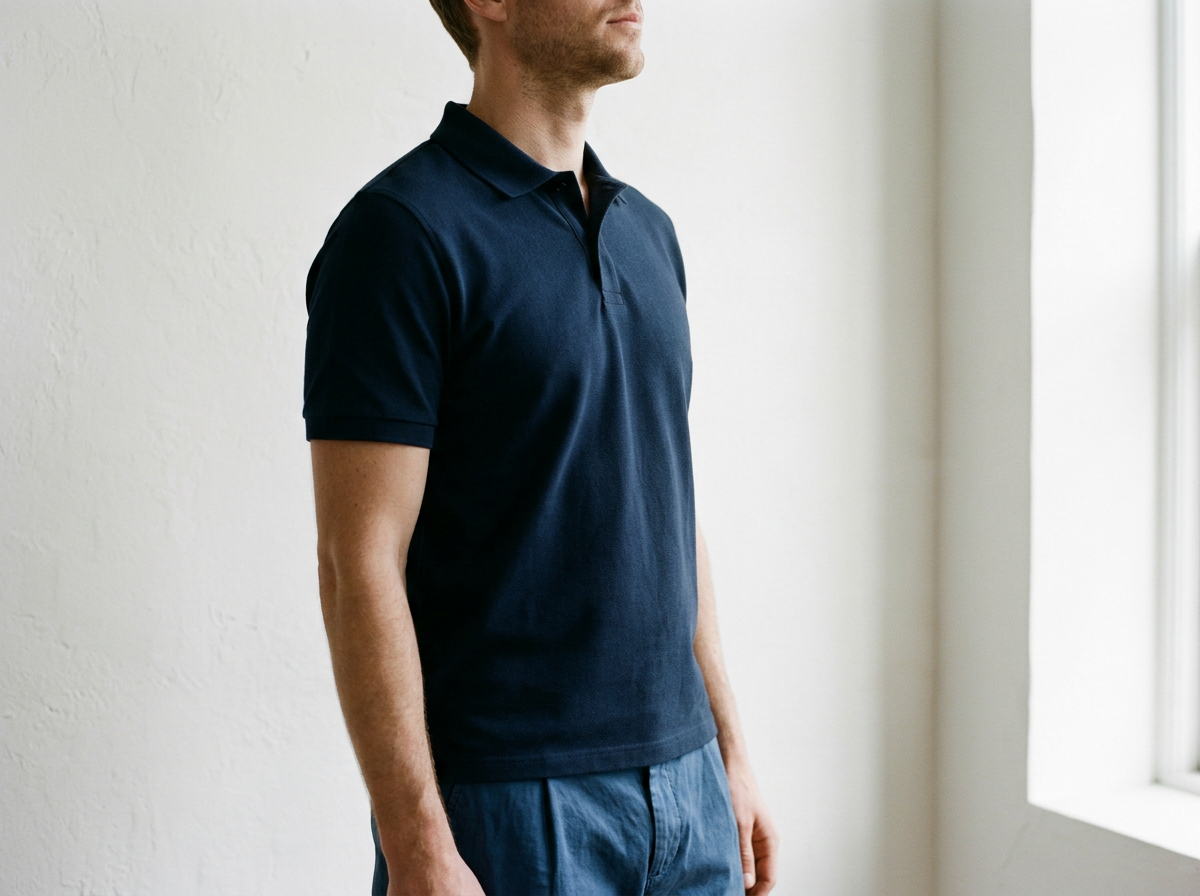
When you tailor your normal clothes, people notice something looks different without always understanding what is different.
You could be wearing the exact same basic T-shirt everybody else owns.
Same brand.
Same color.
Same design.
But yours fits your shoulders, follows your torso, and has way better fitting sleeves (easy tutorial for the sleeves here).
Somebody looks at you and does that little double take.
“I’ve seen that shirt before… why does yours look like that?”
It most definitely didn’t come from the store like that.
You made it fit you specifically.
And because you’re tailoring clothes you actually wear regularly, you get to see the results every single day.
Not once every six months when somebody gets married.
Every day.
Start With the Clothes You’re Wearing Right Now
So the next time you hear the word tailoring, get the expensive suits, weddings, tuxedos, and fancy ballroom dinners out of your head.
Look down.
Seriously.
Look at whatever you’re wearing right now. Maybe it’s jeans and a T-shirt. Maybe it’s joggers. Maybe it’s chinos and a polo from work. Maybe you’re sitting there in gym shorts and an old shirt.
That’s where I’d start.
Ask yourself:
Does this actually fit me? Is the body too wide? Are the sleeves too big? Are the pants too long?
Is there extra fabric somewhere that isn’t doing anything except hanging there?
Because I guarantee you, you don’t need an entirely new wardrobe.
You just need to learn how to make the clothes you already own fit better.
And the best part is that basic alterations like these are so much easier to learn than most guys think.
Grab a basic T-shirt that already fits you pretty well through the shoulders and chest. Then learn how to fix the parts that don’t.
That one t-shirt will completely change the way you think about tailoring your clothes.
Want to actually put this into practice? My beginner-friendly tailoring course walks you through everything step by step, so you can start tailoring your own clothes without guessing your way through it.