6 Sewing Machine Settings Beginners Can Basically Ignore
One of the fastest ways to make a sewing machine feel intimidating is to sit down in front of one and look at all the dials, knobs, buttons, symbols, and stitch settings.
“I just want my clothes to fit better, what the hell did I get myself into?”
You start thinking, “Okay… I guess I need to understand like 400 different settings.”
You don’t at all. Not even close.
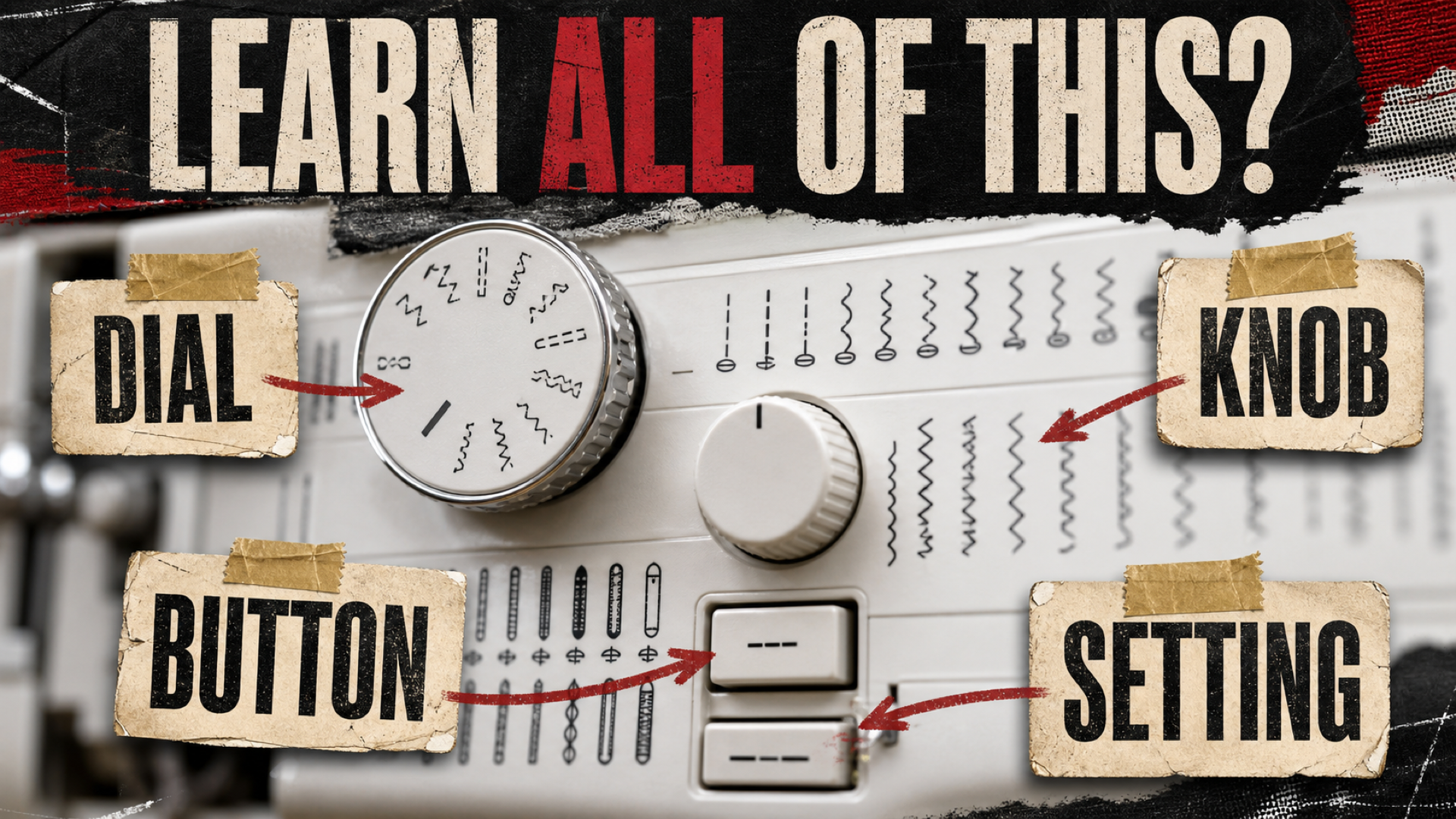
If your goal is to tailor your t-shirts, dress shirts, chinos and jeans to make them fit you better, you can ignore a huge amount of what your sewing machine can do.
You aren't trying to become a master quilter. You aren't embroidering decorative flowers onto throw pillows. We're just trying to take clothes from the store that fit like crap and make them fit properly.
For that, your sewing machine is actually super easy to understand.
Here’s 6 sewing machine settings and features beginners tend to worry about way more than they need to.
1. Literally Allof the Decorative Stitches
Modern sewing machines love showing off.
Some machines have 20 stitches. Some have 50. Some have 70+ little stitch symbols covering the front of the machine.
And as a beginner, it's super easy to assume:
“They wouldn't put all of these on here unless I'm supposed to learn them right.”
Nah.
For tailoring your own clothes, you only need two stitches:
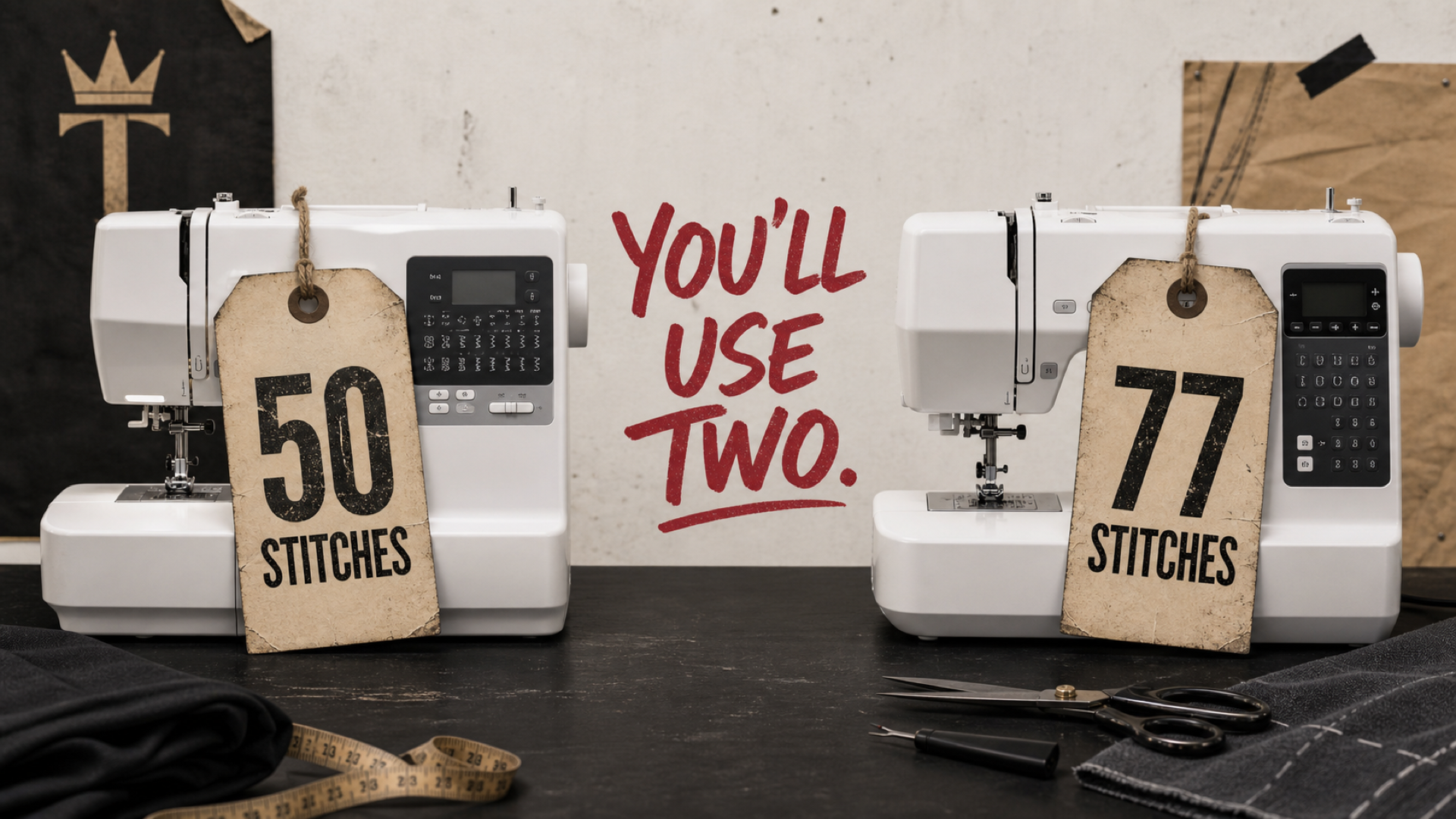
A straight stitch and a zigzag stitch.
Those two stitches will allow you to tailor everything in your closet. Seriously. And any used $40 sewing machine can make those stitches.
Your straight stitch is going to do most of the work.
You’ll use it to:
Take in the sides of a T-shirt
Slim a dress shirt
Taper chinos
Shorten pants
Hem your jeans
Shorten your shirts
Adjust sleeves
Sew most basic seams
You'll probably use your straight stitch for 95% or more of what you tailor.
The zigzag stitch is mostly used for finishing raw fabric edges after you've cut away all the extra fabric.
When you cut fabric, that newly exposed edge can start fraying. A zigzag stitch helps lock everything in and keep the edge from turning into a fuzzy mess.
You can also use whats called a narrow zigzag stitch when you want your seam to have a little bit of stretch, which is great for T-shirts and other stretchy fabrics.
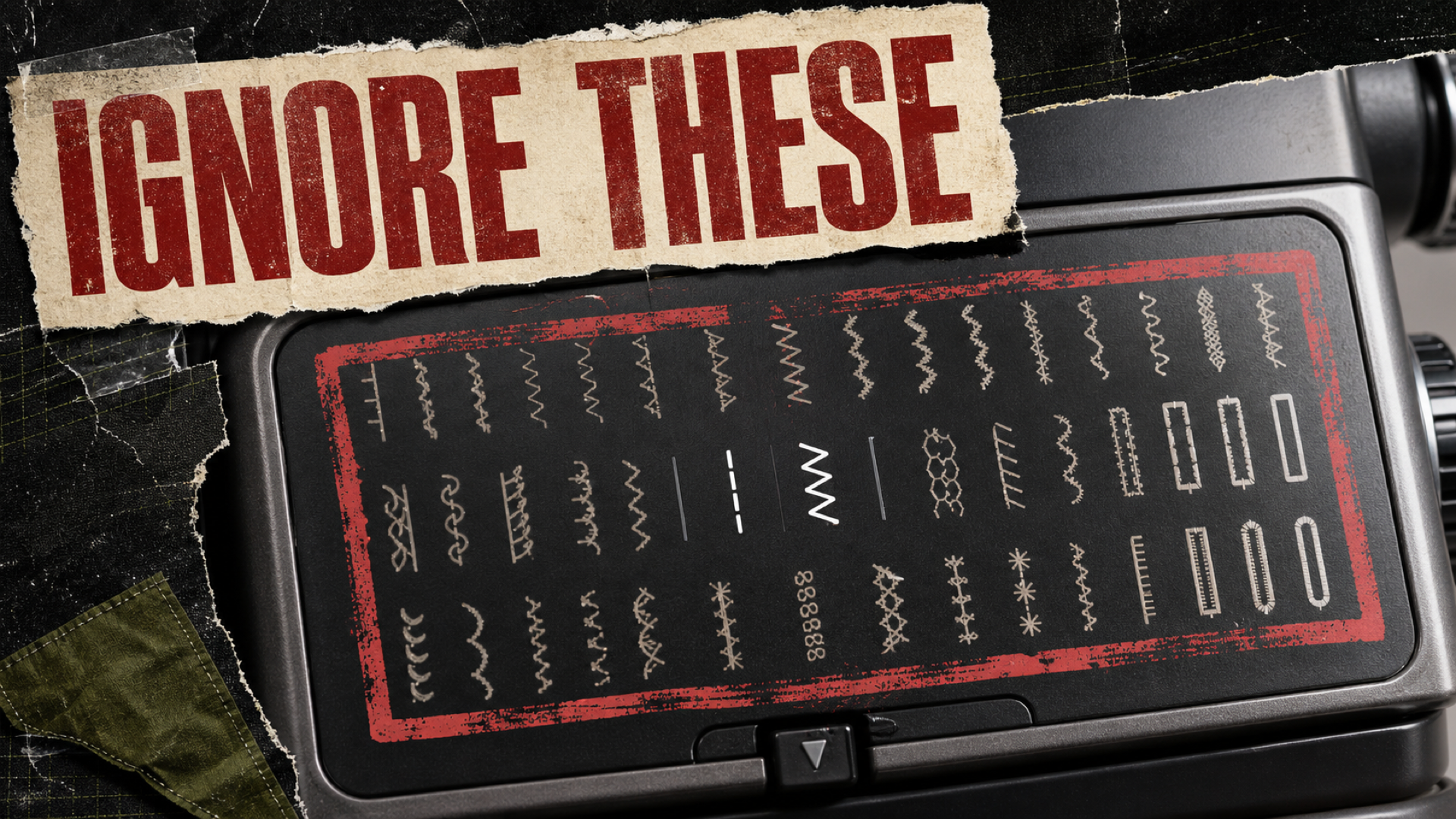
But all those leaves, diamonds, stars, scallops, flowers, and mysterious hieroglyphics your machine can sew?
Ignore them. Every single one of them.
Maybe you'll want them someday.
Today isn't that day.
2. The Idea That Every Garment Needs Completely Different Settings
This one trips up a lot of beginners.
You start thinking there's a special setting for tailoring your dress shirts.
Then maybe there's a completely different setting when you go to tailor your t-shirts.
A jeans setting.
A chino setting.
Some special configuration that you better make sure you get right or you’re gonna mess up your clothes.
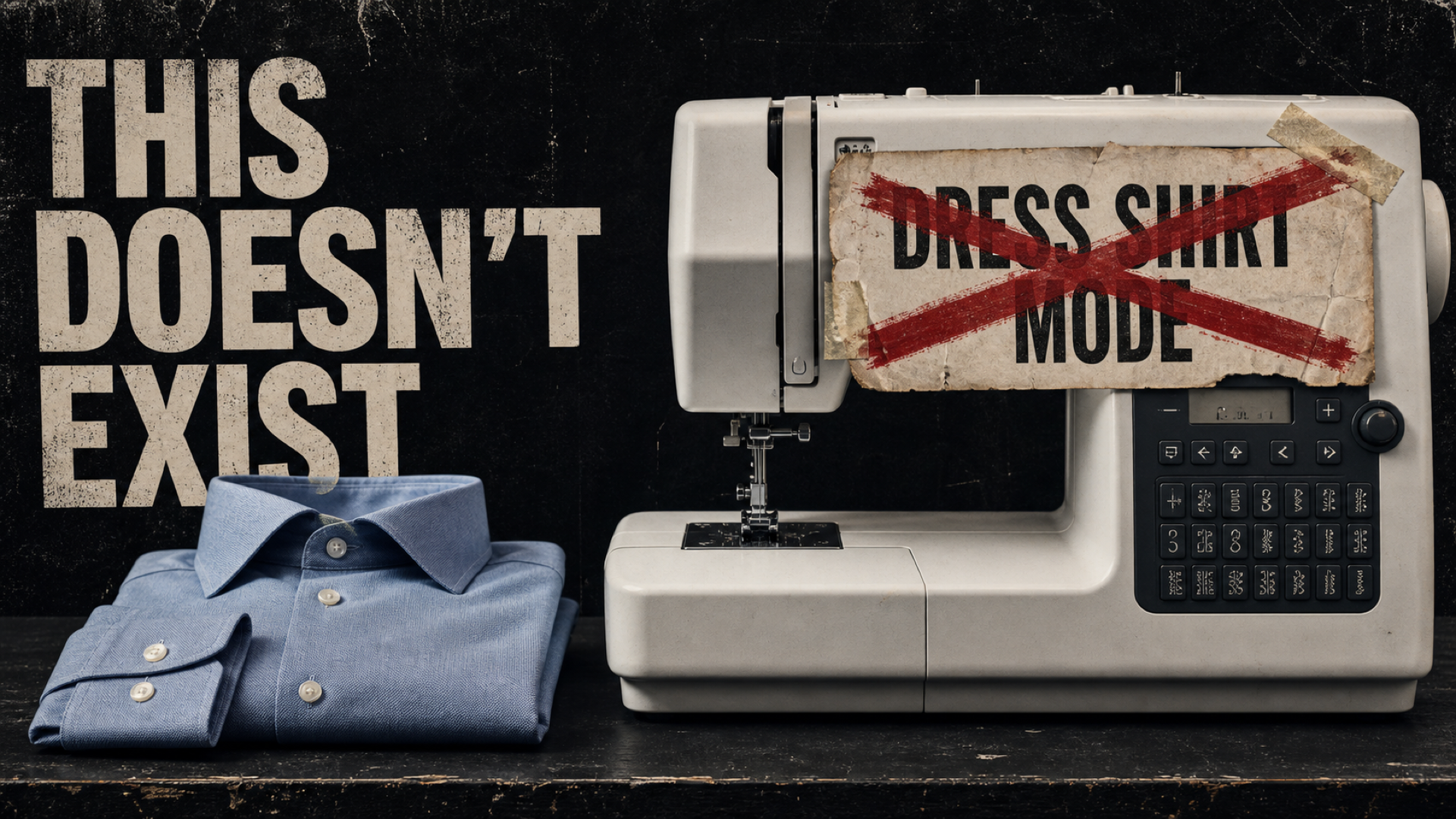
No, tailoring isn't nearly that complicated.
Think of your machine as having a basic home base.
For example, a normal straight stitch length of 2.5 mm works great for just about everything.
You can set it there and leave it alone. Seriously.
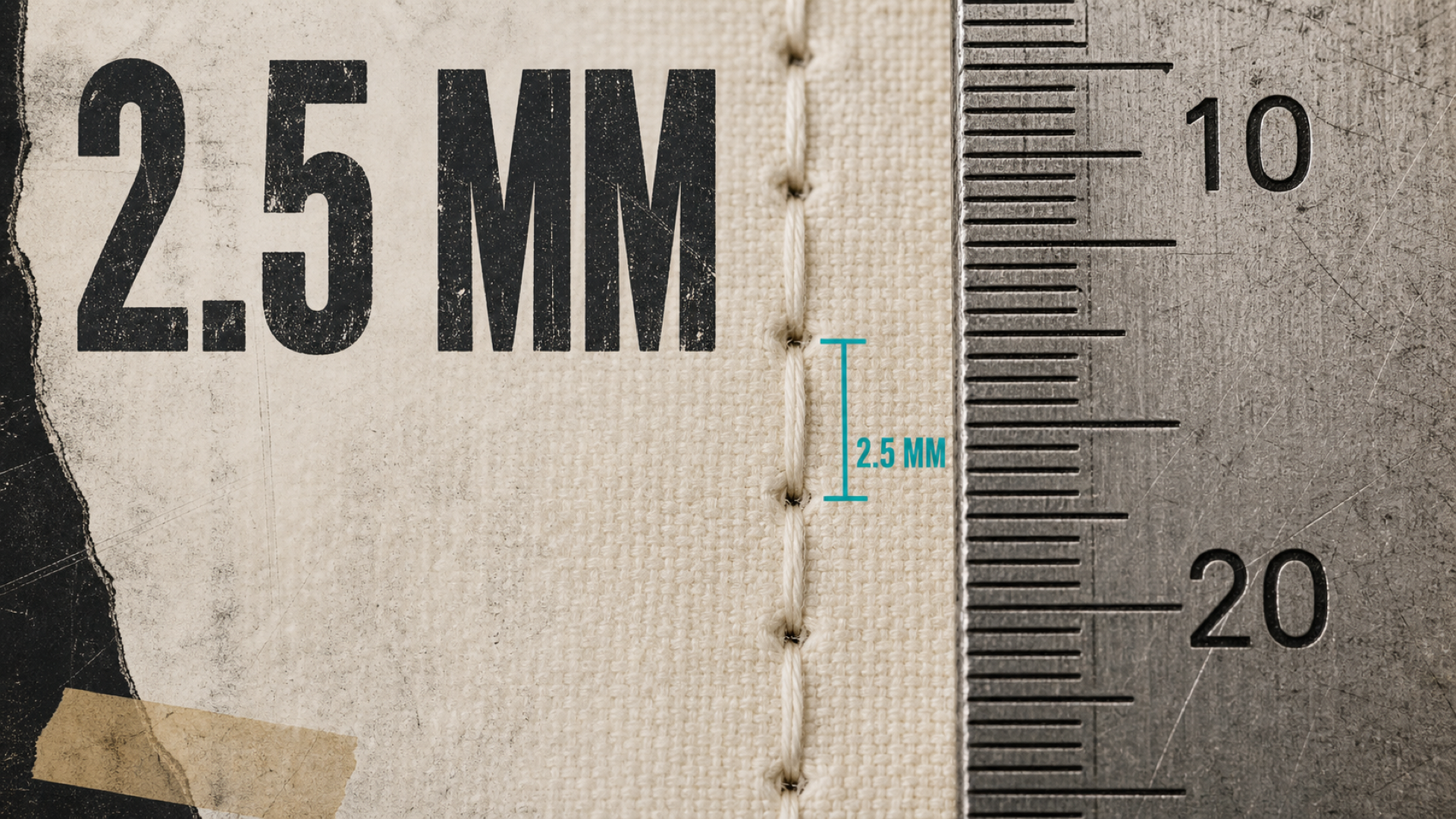
You don't need to start spinning the dial every time you switch to a different garment.
If you're hemming your jeans you might bump your stitch length up to around 3.5 mm. Longer stitches can look a lot better on heavier denim and more closely resemble the store bought look.
But that's a small tweak. A micro spin of the dial.
It's not an entirely different sewing setup.
The same idea applies to your tension.
For normal beginner alterations, you can usually keep your thread tension somewhere around the middle of its normal range.
If your stitches look good?
Leave it alone.
Your needle may need to change depending on the fabric. A universal needle works perfectly fine for most projects, while thicker material like denim are going to need a denim needle.
But again, you're making super small adjustments around your normal setup.
You're not changing every single setting on your sewing machine every time you grab a different shirt.
3. Stitch Width Dial When You're Using a Straight Stitch
Stitch width sounds important right? And technically it is, just not when you're sewing a normal straight stitch.
Stitch width controls how far your needle moves from side to side when you’re sewing.
A wide zigzag means the needle moves pretty far left and right.
A narrow zigzag means it moves less.
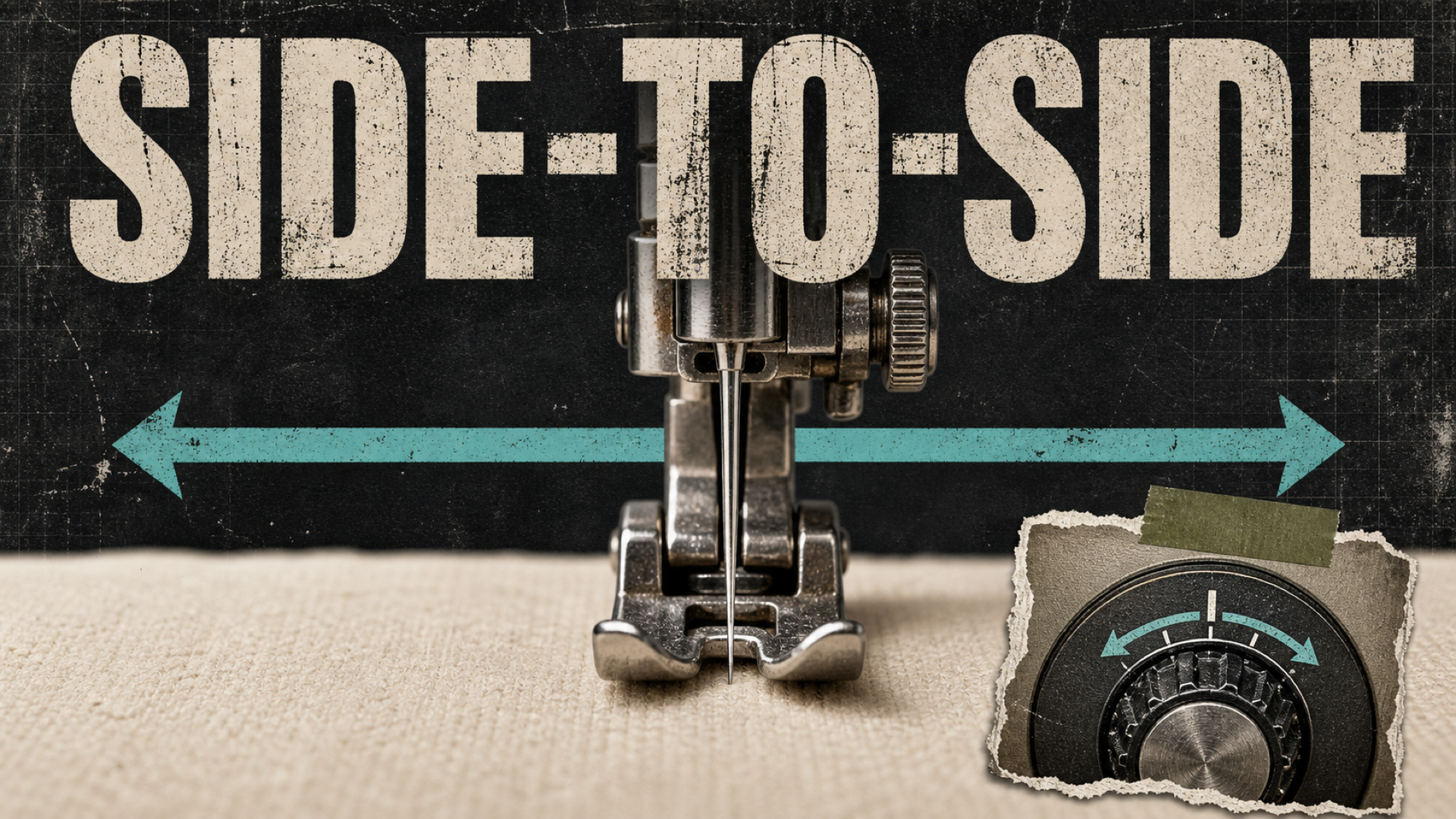
But what happens during a straight stitch? The needle just goes straight up and down, there isn't any side-to-side movement at all.
Changing the stitch width won't do anything for a straight stitch. Literally at all.
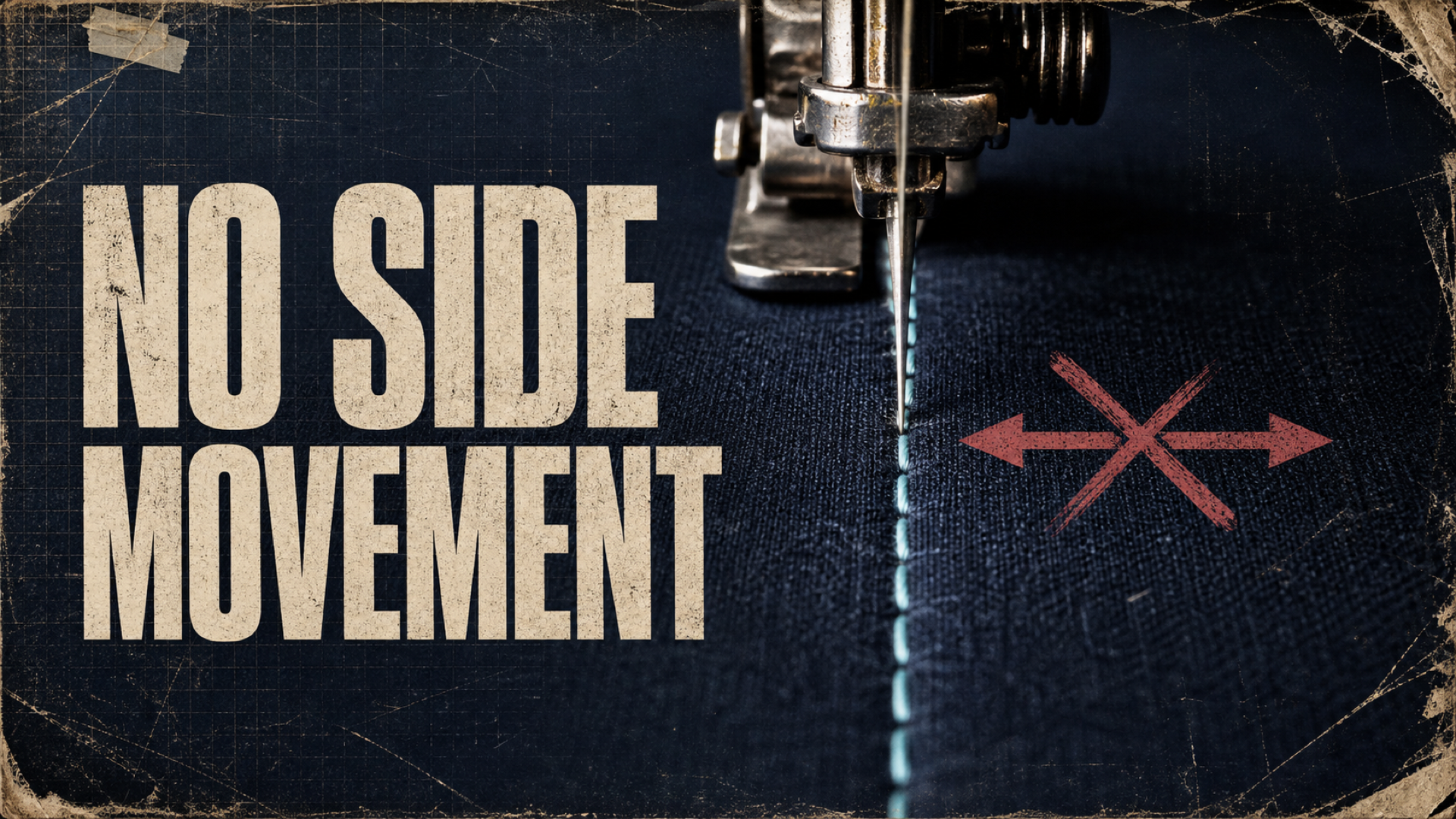
On some sewing machines, that same control can manually move the actual needle position further to the left or right. That's actually super useful if you're trying to sew extremely close to an edge. You just turn it and position it in the spot you want it.
But that's a specific situation.
If you're just tailoring your store bought clothes that you sort of hate you’re just sewing a regular straight stitch.
And if you're sewing a regular straight stitch? You don't need to sit there obsessing over stitch width.
4. Your Tension Dial Every Time Something Goes Wrong
Ah yes the stitch tension dial. This poor guy gets blamed for damn near everything.
Your thread breaks?
Must be tension.
Your stitches look loose?
Tension.
The fabric looks all wavy?
Tension.
Your sewing machine called you a racial slur?
Probably tension.
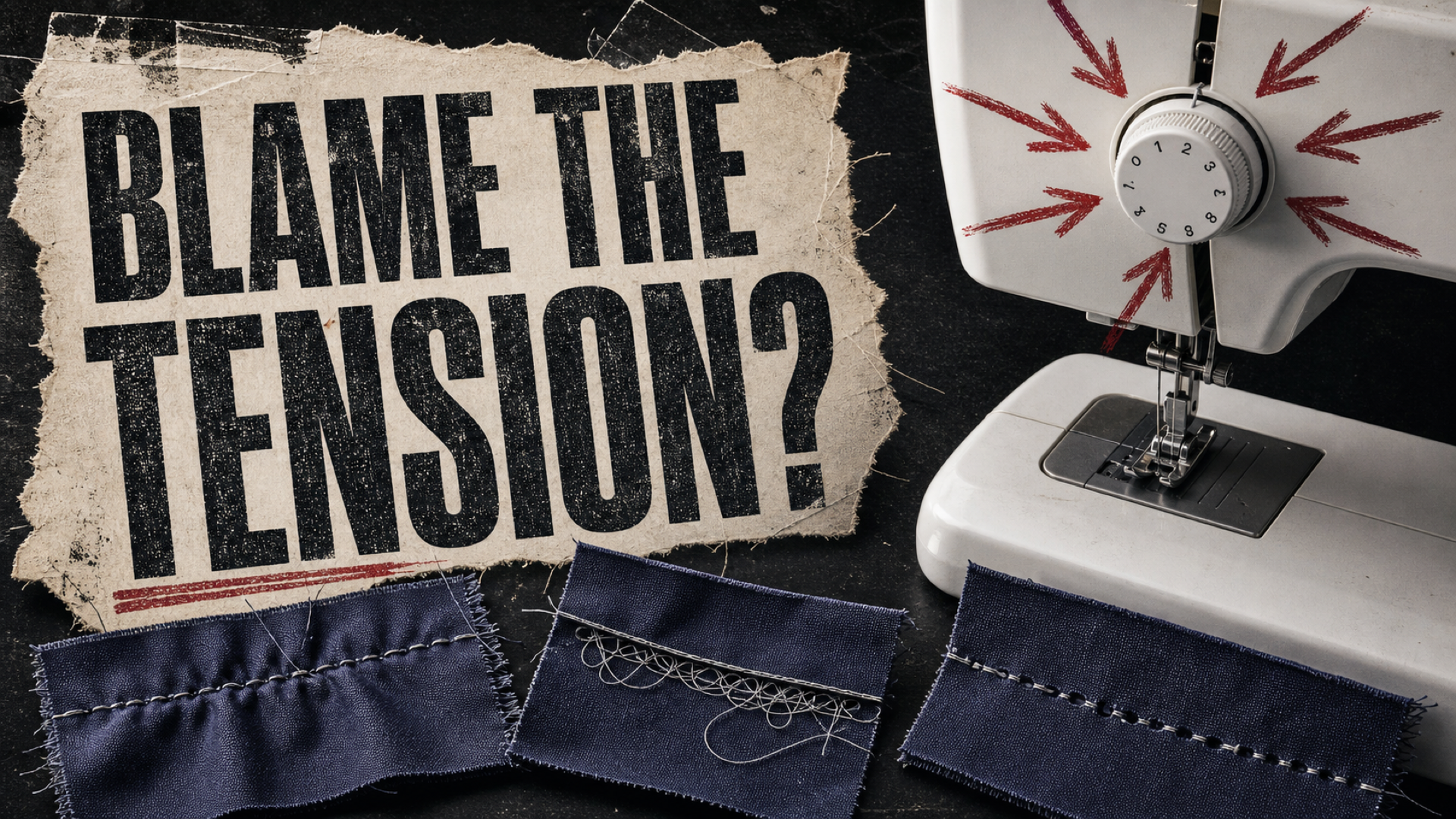
Except a huge number of beginner sewing problems aren't actually caused by tension at all. Usually it's something way more stupid and boring.
You probably threaded your sewing machine wrong.
Maybe your thread missed the take-up lever, that little metal hook looking piece moving up and down while you're sewing.
Maybe your bobbin wasn't installed correctly or it ran out of thread (I hate this one).
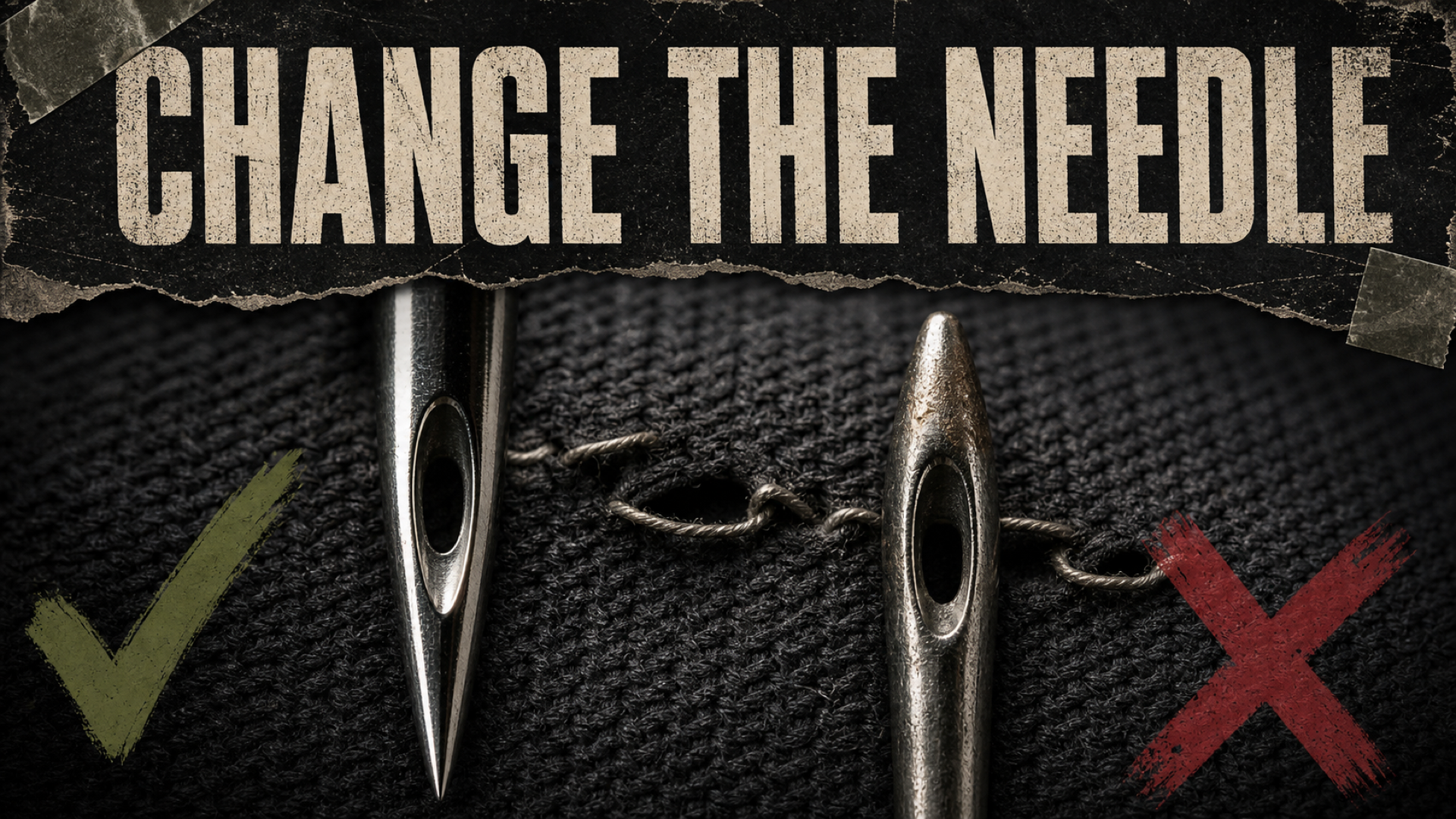
Maybe your needle is dull because you haven’t changed it in months.
Maybe the presser foot isn't lowered.
All of those things can create bunching thread or crappy looking stitches that make beginners immediately start twisting that tension dial.
Don't do that yet.
Go through the boring routine mundane stuff first. Rethread the machine. Check the bobbin.
Make sure the presser foot is down. Install a fresh needle. Make sure you're using the correct type of needle.
Then test it again.
If you're still getting obvious tension problems after you've checked everything else, make a small adjustment.
Maybe half a number.
Maybe one number.
Don't jump from tension setting 4 to tension setting 9 because one stitch looked weird.
For most basic alterations, your tension can stay somewhere around its normal middle setting unless your machine gives you a reason to change it. I rarely ever change mine from 4.
5. All Those Extra Presser Feet
If you bought a new sewing machine, there's a really good chance you opened the accessory compartment and found a bunch of weird little metal and plastic objects.
Congratulations.
You now own a bunch of extra presser feet you never will touch.
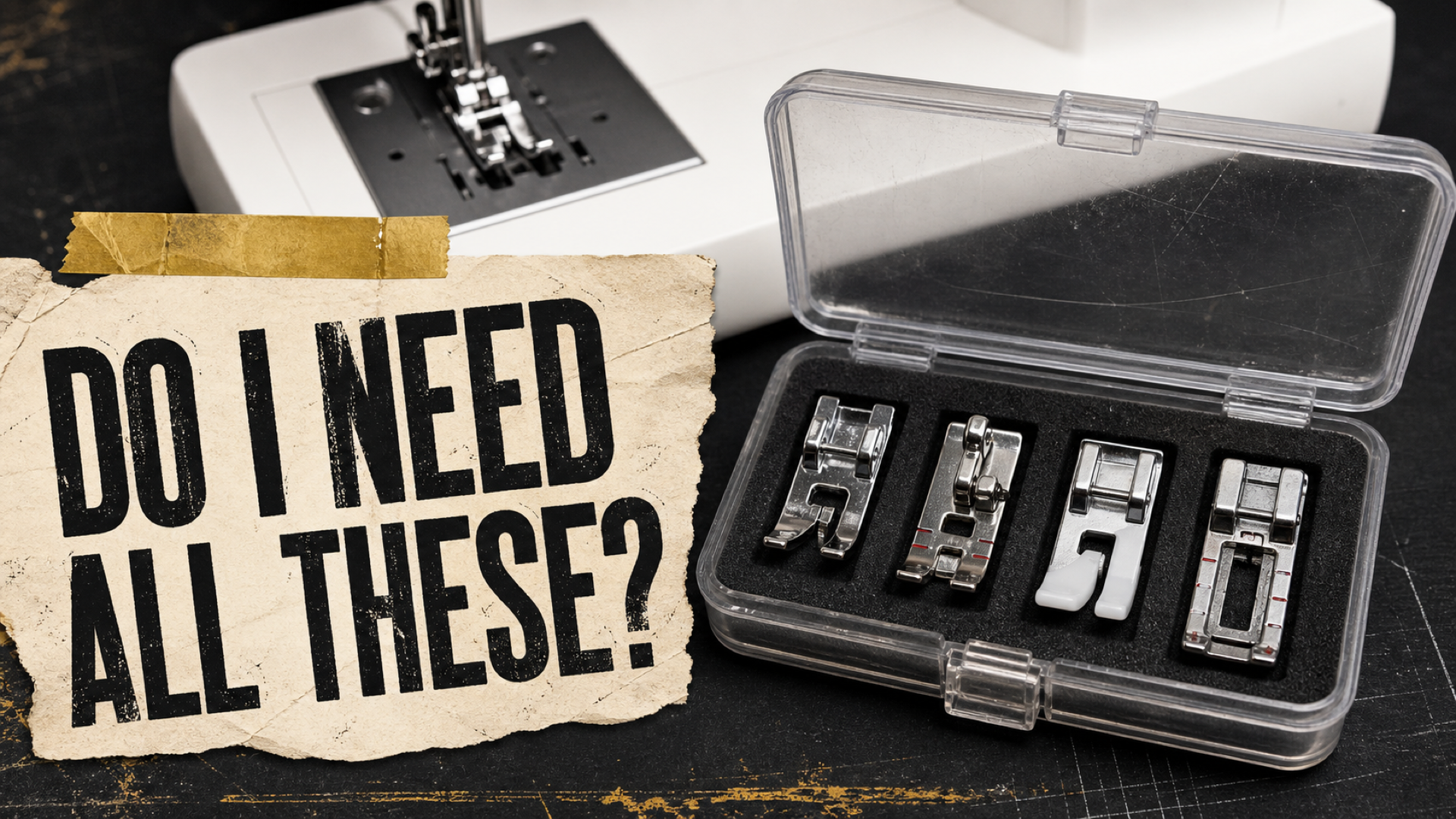
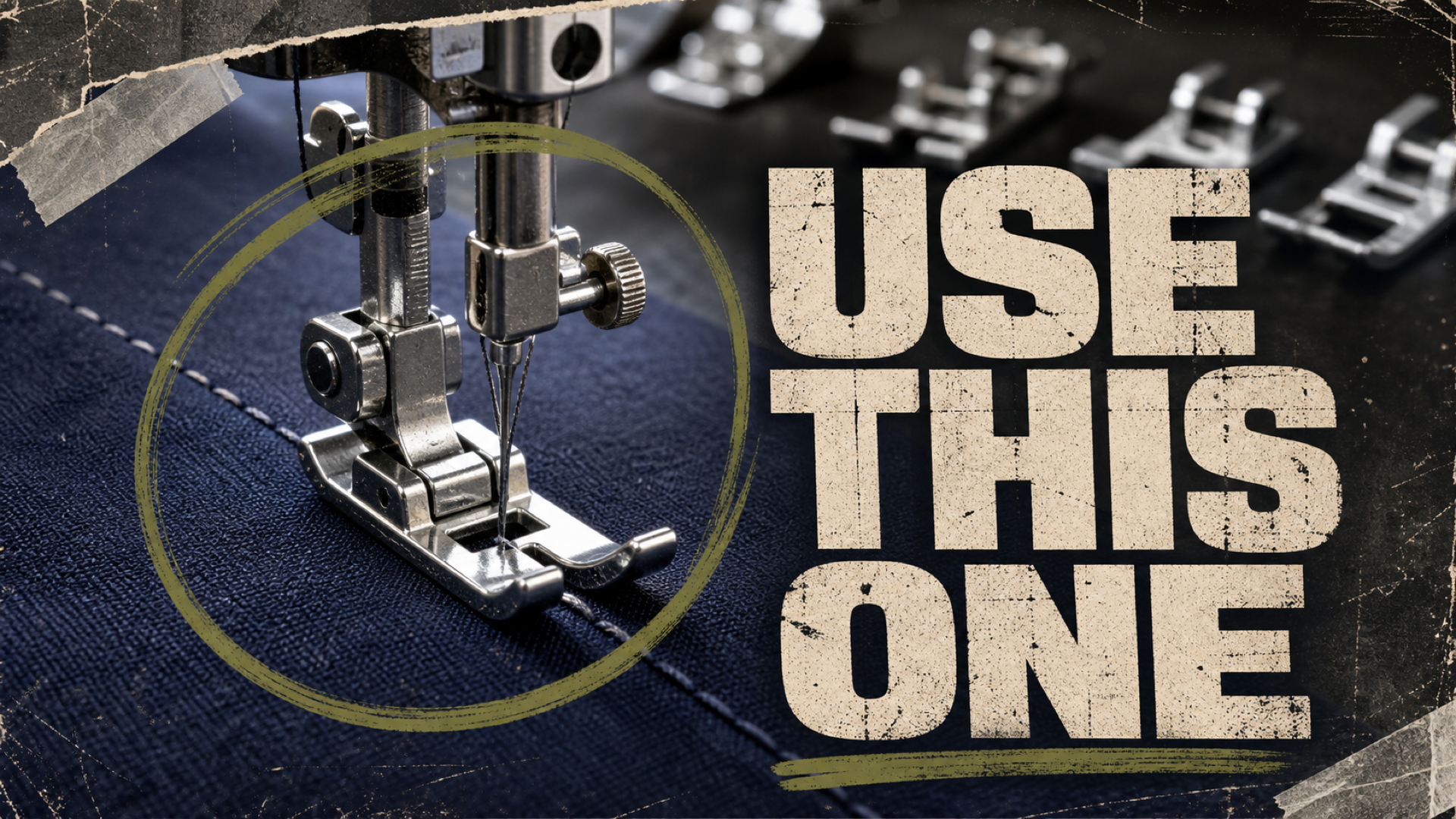
Your machine probably already has a standard presser foot attached.
And for tailoring your clothes that’s literally all you need.
Now sure, specialty presser feet absolutely have their uses.
A zipper foot makes sewing close to zippers and bulky edges easier.
A blind hem foot is great if you're using your machine to create blind hems on dress pants.
Other feet exist for very specific types of jobs. None of which you will (most likely) do.
If you eventually run into an alteration where a specialty presser foot would make your life easier, then sure grab it. Until then just use the presser foot that came on your sewing machine.
6. Automatic Needle Threaders and Thread Cutters
A lot of sewing machines will come with some pretty cool features that make tailoring your clothes easier.
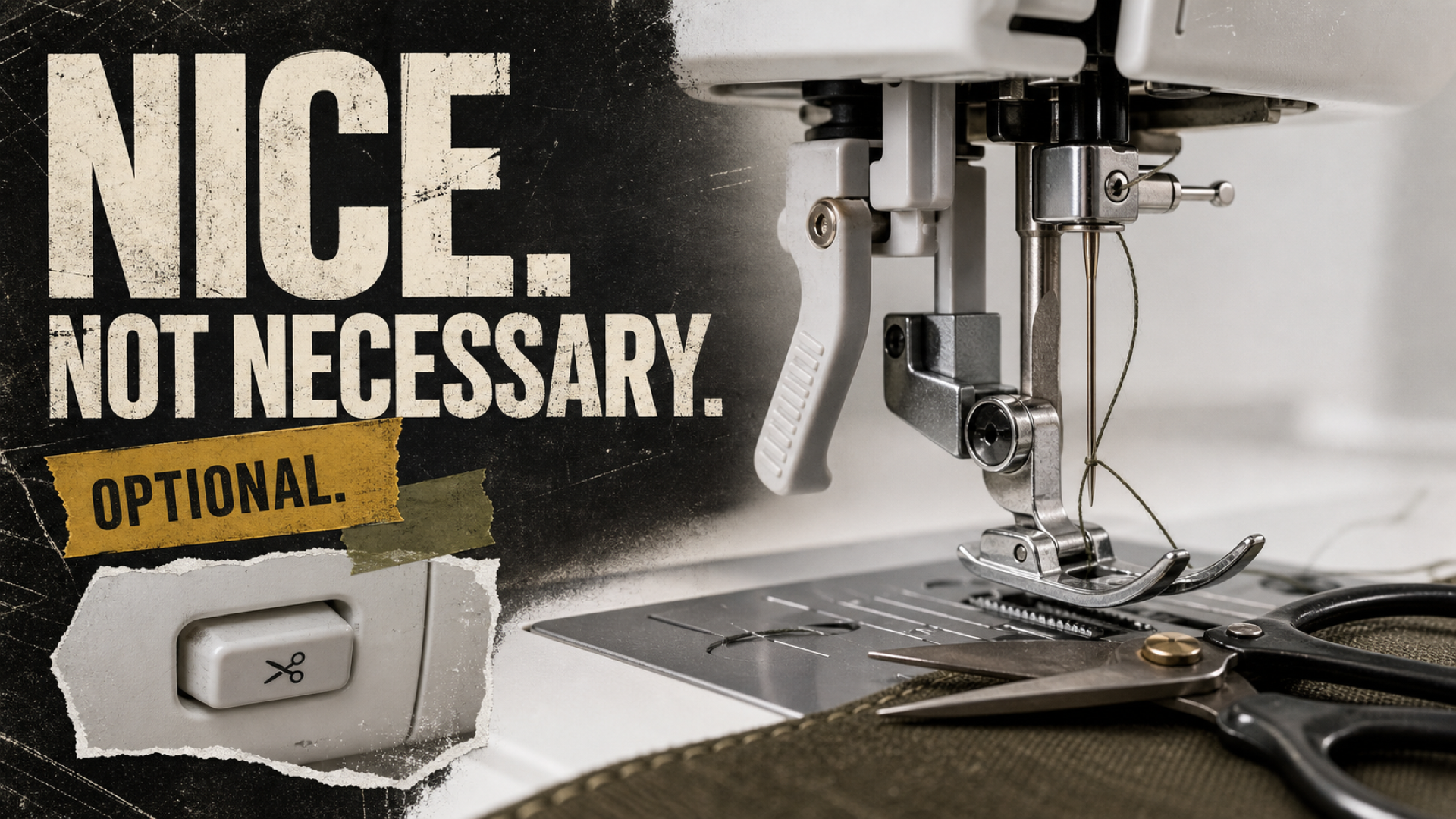
Automatic needle threaders are nice.
Automatic thread cutters are nice.
But don't confuse convenient with necessary. You don't need an automatic needle threader to tailor your clothes. You don't need an automatic thread cutter. You don't need some crazy computerized system with a touchscreen and 157 sewing options.
These features can absolutely be useful.
But they're bonuses.
This is especially important if you're shopping for your first sewing machine, because it's easy to look at expensive machines and assume the extra features will somehow make your clothes fit better than a cheap used $40 sewing machine.
They won't.
A $500 machine with automatic everything isn't automatically going to make your T-shirt fit better than a basic used machine.
The person controlling the fabric still matters a lot more than the fancy buttons.